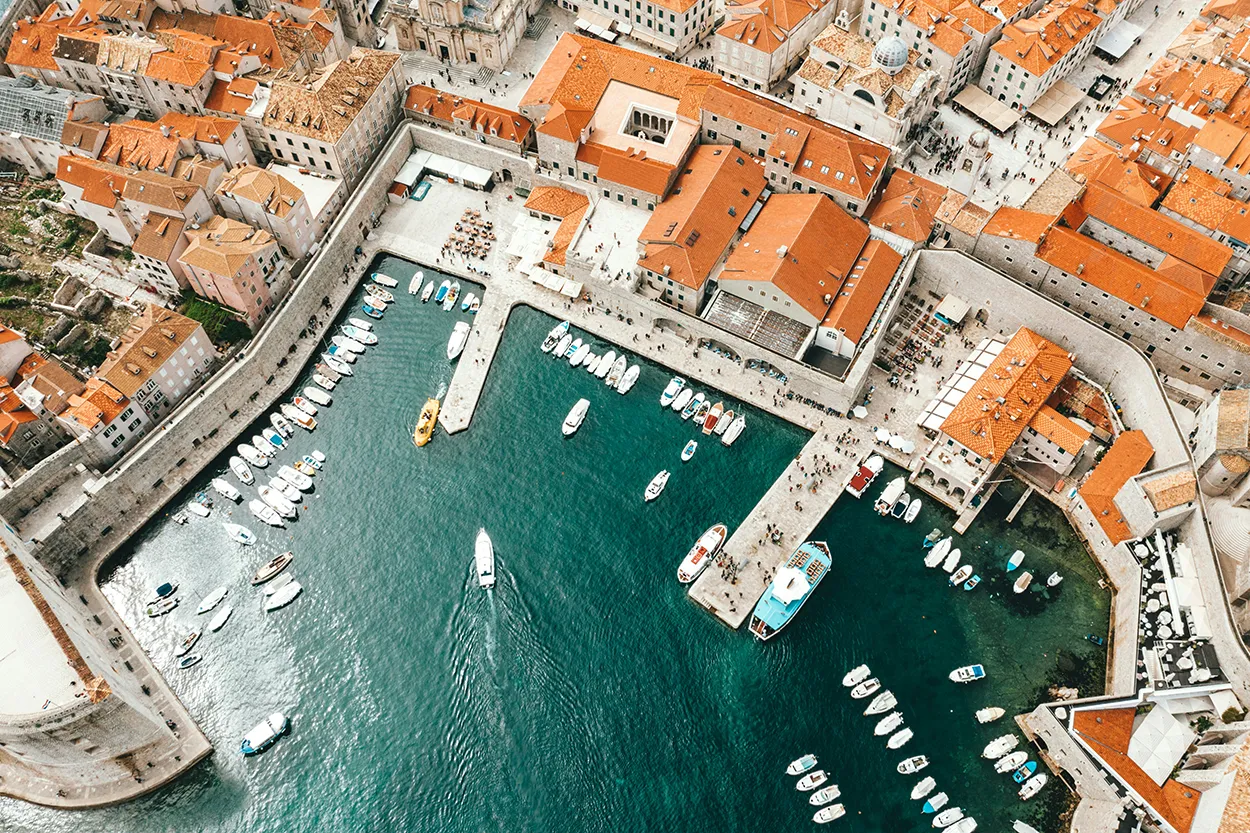
Holidays in Dalmatia showcase one of Croatia’s most beautiful regions, known for historic cities like Dubrovnik and Split, Adriatic islands, and spectacular national parks. From ancient Roman heritage to dramatic coastal landscapes, Dalmatia offers a perfect blend of culture, nature, and unforgettable seaside experiences.
Table of Contents
Holidays in Dalmatia?
When people talk about holidays in Dalmatia, they often mention Dubrovnik, the islands, or the crystal-clear Adriatic Sea. And yes, all of that is true.
But for me, Dalmatia is more than just a destination on a travel map. As someone who spent a lot of time on the Croatian coast growing up, Dalmatia feels like a place where life naturally slows down. Days revolve around the sea, the sun, good food, and long conversations on waterfront promenades.
Dalmatia stretches along Croatia’s central and southern Adriatic coastline and includes some of the country’s most beautiful historic cities, dramatic national parks, and hundreds of islands scattered across the sea.
For travelers planning their holidays in Dalmatia, the region offers something special: a mix of ancient history, wild nature, and the relaxed Mediterranean lifestyle that locals have enjoyed for centuries.
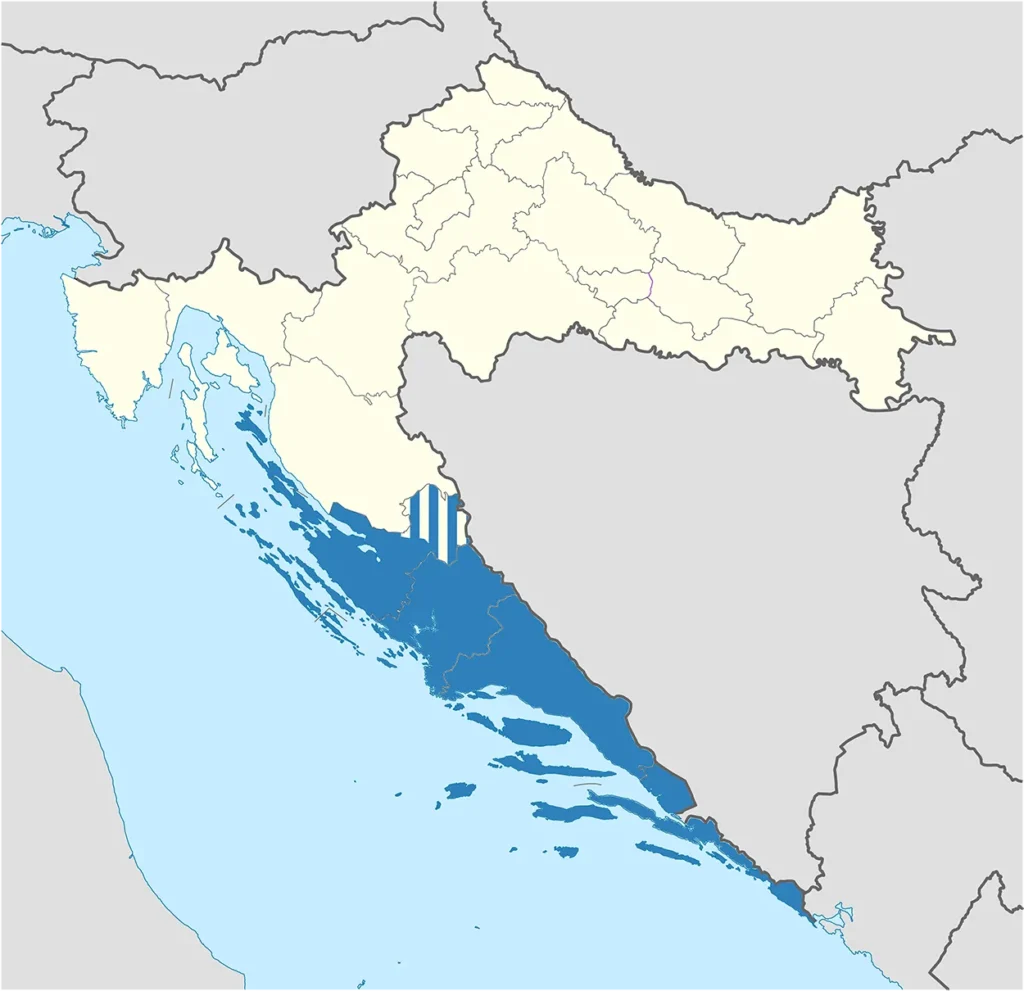
A Coast Shaped by History
Dalmatia’s coastline has been home to many civilizations. Ancient Illyrians lived here long before the Romans arrived, and later the region was influenced by the Venetian Republic, the Austro-Hungarian Empire, and many other cultures.
Because of this long and complex history, Dalmatia feels like an open-air museum.
Roman ruins, medieval fortresses, Renaissance palaces, and centuries-old churches stand side by side with lively cafés and modern life. Walking through Dalmatian cities often feels like stepping through different chapters of European history.
This rich heritage is one of the reasons why holidays in Dalmatia are so fascinating for visitors who enjoy culture as much as beaches.
Dalmatia’s Historic Cities
Dubrovnik – The Pearl of the Adriatic
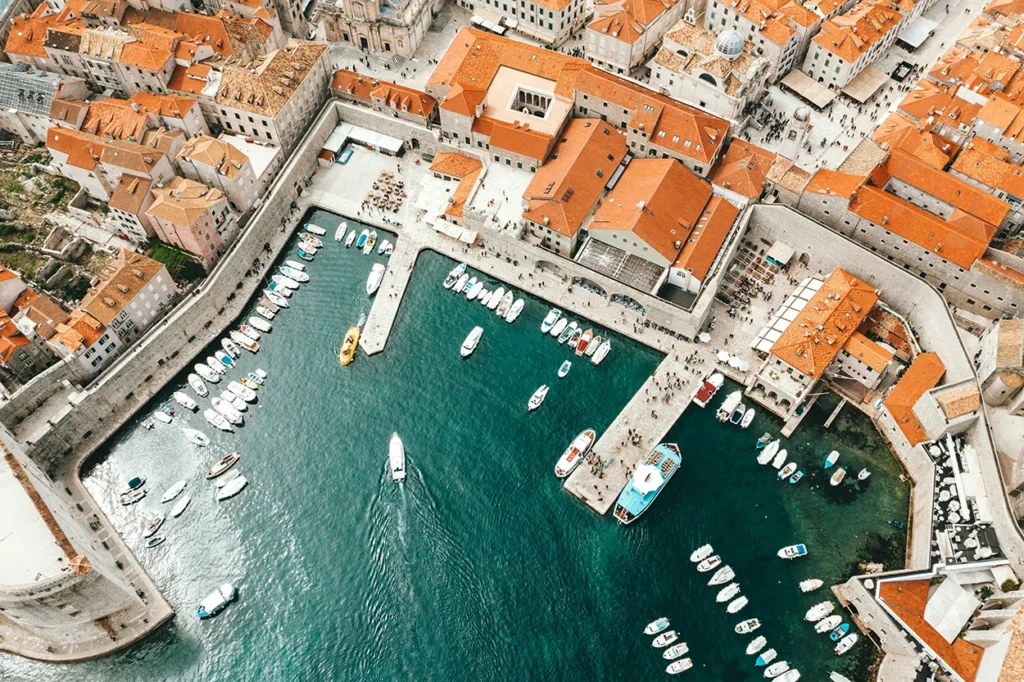
Dubrovnik is probably the most famous city in Dalmatia, and once you see it, you understand why.
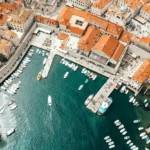
Surrounded by massive stone walls that rise above the sea, Dubrovnik’s old town looks almost unreal. Its polished limestone streets reflect centuries of history, when the city was the powerful Republic of Ragusa, one of the most important maritime trading centers in the Mediterranean.
Walking along the city walls offers spectacular views of the Adriatic and the red rooftops below.
Even though Dubrovnik has become world-famous, especially after appearing in Game of Thrones, the city still holds a timeless charm that makes it an essential stop during any holidays in Dalmatia.
Split – Where Roman History Lives On
Split is one of the most fascinating cities on the Adriatic coast because its ancient history is still part of everyday life.
At the heart of the city lies Diocletian’s Palace, built in the 4th century for the Roman Emperor Diocletian. What makes Split unique is that the palace is not just an archaeological site — it’s a living city.
Inside the palace walls you’ll find homes, restaurants, shops, and lively squares where locals and visitors gather. The atmosphere is vibrant, especially in the evenings when the waterfront promenade fills with people enjoying the warm Mediterranean nights.
For many travelers, Split becomes the perfect starting point for exploring the islands during their holidays in Dalmatia.

Zadar – Where History Meets Innovation
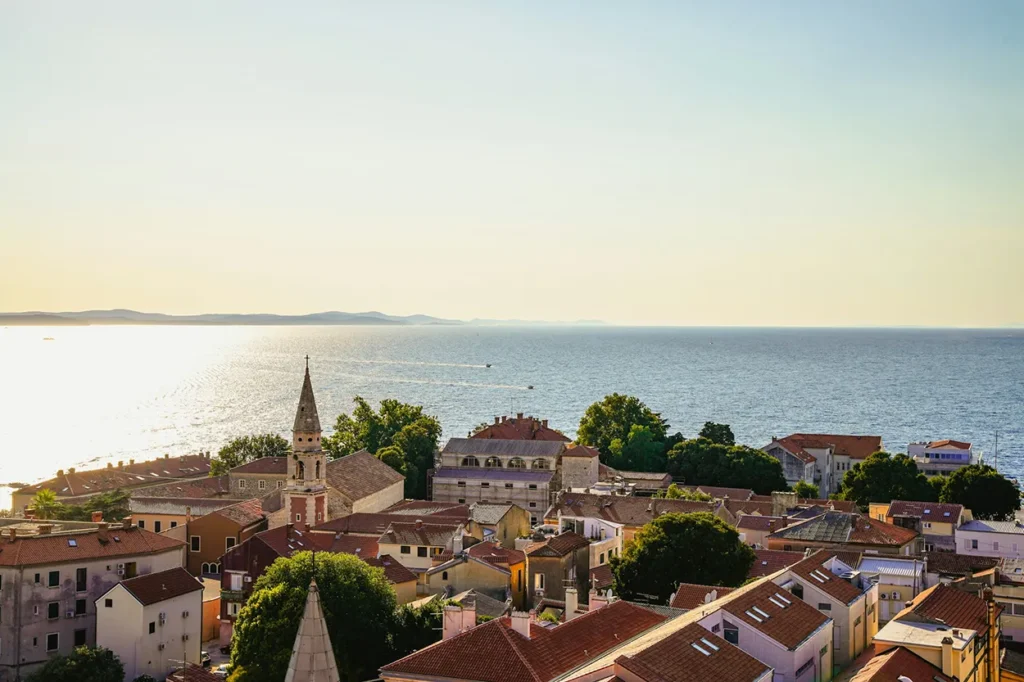
Further north along the coast lies Zadar, a city that beautifully blends ancient heritage with modern creativity.
Roman ruins, medieval churches, and Venetian defensive walls tell the story of its long past. But Zadar is also known for two unique modern installations.
The Sea Organ turns the movement of Adriatic waves into haunting music, while the Greeting to the Sun lights up the waterfront with a stunning solar-powered display each evening.
Few places capture the spirit of Dalmatia — where history and modern life coexist so naturally — quite like Zadar.
Šibenik – A True Dalmatian Gem
Šibenik is slightly quieter than the more famous coastal cities, but that’s exactly why many travelers fall in love with it.
The city is known for its maze of narrow medieval streets and its impressive fortresses overlooking the Adriatic.
At the center of the old town stands the Cathedral of St. James, a UNESCO World Heritage Site and one of the most remarkable Renaissance buildings in Croatia. Built entirely from stone, it remains an architectural masterpiece.
From the hilltop fortresses, the views stretch across the sea toward the nearby islands — a reminder of how deeply connected Dalmatian cities have always been to the Adriatic.

Nature Beyond the Coast
Although the cities are spectacular, holidays in Dalmatia also reveal breathtaking natural landscapes and countless outdoor activities, from hiking in national parks and kayaking along the coast to swimming in hidden Adriatic coves.
Krka National Park
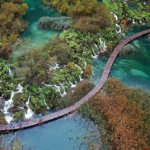
Krka National Park is famous for its beautiful waterfalls cascading over limestone terraces. Wooden pathways lead visitors through lush green landscapes along the Krka River.
One of the highlights is Skradinski Buk, a stunning series of waterfalls that create a magical atmosphere surrounded by forests and historic watermills.
Visitors can also explore Visovac Island, home to a peaceful monastery sitting in the middle of the river.

Kornati National Park
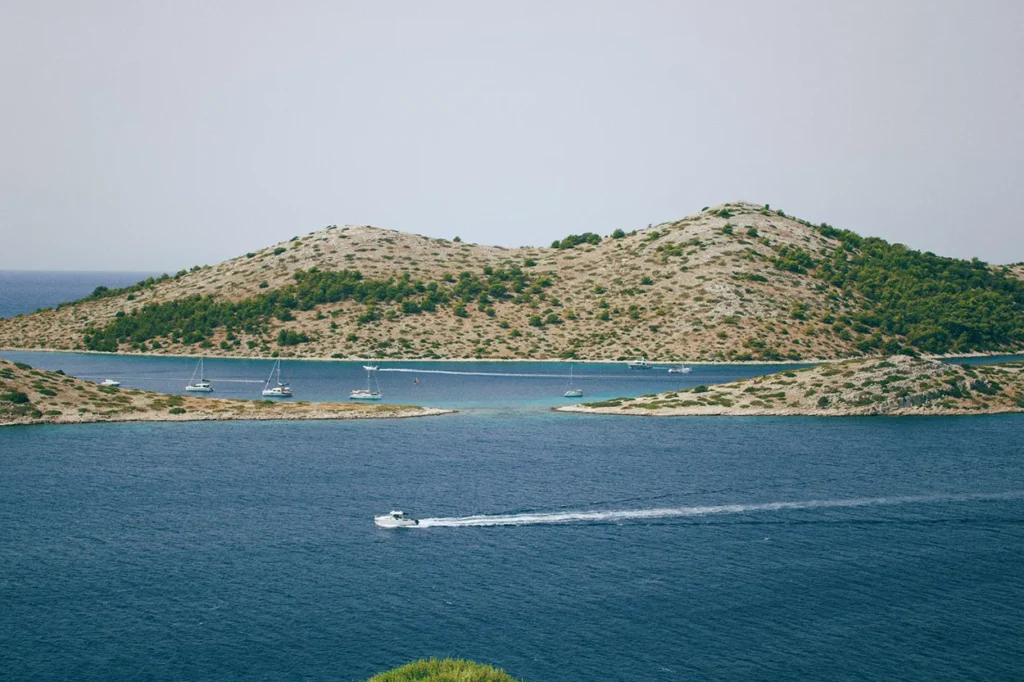
Further out at sea lies one of the most dramatic landscapes in the Adriatic — Kornati National Park. This breathtaking archipelago is made up of more than 80 rocky islands and reefs scattered across deep blue waters, creating a scenery that feels almost otherworldly.
Many visitors discover the Kornati islands while island hopping along the Dalmatian coast, exploring hidden coves, quiet bays, and untouched landscapes shaped by wind, sea, and centuries of maritime life. Sailing through this remarkable national park is one of the most unforgettable experiences during holidays in Dalmatia.
Paklenica National Park
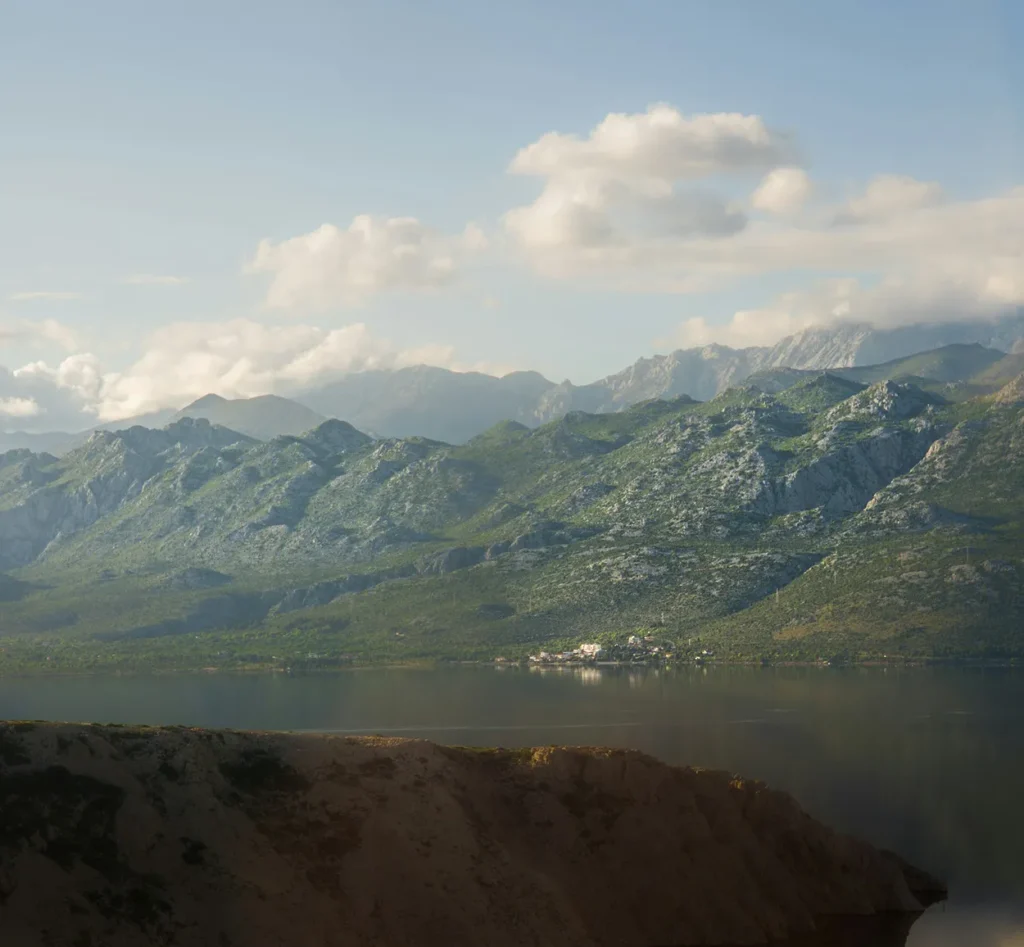
For travelers who enjoy outdoor adventures, Paklenica National Park offers dramatic mountain landscapes just a short distance from the coast.
The park is famous for its deep limestone canyons and towering cliffs, making it one of Europe’s most popular rock-climbing destinations. Hiking trails lead through forests, caves, and panoramic viewpoints overlooking the Adriatic.
It’s the perfect reminder that Dalmatia offers much more than beaches alone.
Why Holidays in Dalmatia Feel Special
Dalmatia is not just about sightseeing. It’s about a way of life.
Long lunches in seaside restaurants, morning swims in quiet coves, evening walks along stone promenades — these simple pleasures define the rhythm of the coast.
Growing up around the Adriatic, you learn that the sea is not just a landscape. It becomes part of everyday life.
For visitors, this relaxed Mediterranean atmosphere is often what makes holidays in Dalmatia unforgettable.
Frequently Asked Questions About Holidays in Dalmatia
What is the best time to visit Dalmatia?
The best time to visit is between May and October. Spring and early autumn offer warm weather with fewer crowds, while summer is perfect for swimming and island hopping.
Which cities should I visit in Dalmatia?
Dubrovnik, Split, Zadar, and Šibenik are among the most beautiful and historically rich cities along the Dalmatian coast.
What natural attractions should I see?
Krka National Park, Kornati National Park, and Paklenica National Park are some of the most impressive natural areas in Dalmatia.
What activities can you do in Dalmatia?
Visitors can explore historic towns, go island hopping, sail along the Adriatic coast, hike in national parks, swim in hidden coves, and enjoy traditional Dalmatian cuisine.
Some of the stunning photography featured in this article is sourced from the talented contributors on Unsplash – a platform for freely usable visuals that capture Croatia’s magic perfectly.