Slavonia is one of Croatia’s most underrated regions, known for peaceful landscapes, historic towns, and incredible food and wine. From the wetlands of Kopački Rit to the vineyards of Kutjevo and the baroque streets of Osijek, holidays in Slavonia reveal a slower, authentic side of Croatia that many travelers miss.
Table of Contents
When people think about holidays in Croatia, they usually imagine the sparkling Adriatic Sea, island hopping along the Dalmatian coast, or the famous city walls of Dubrovnik. And yes, those places are beautiful.
But Croatia has another side that many travelers don’t know yet.
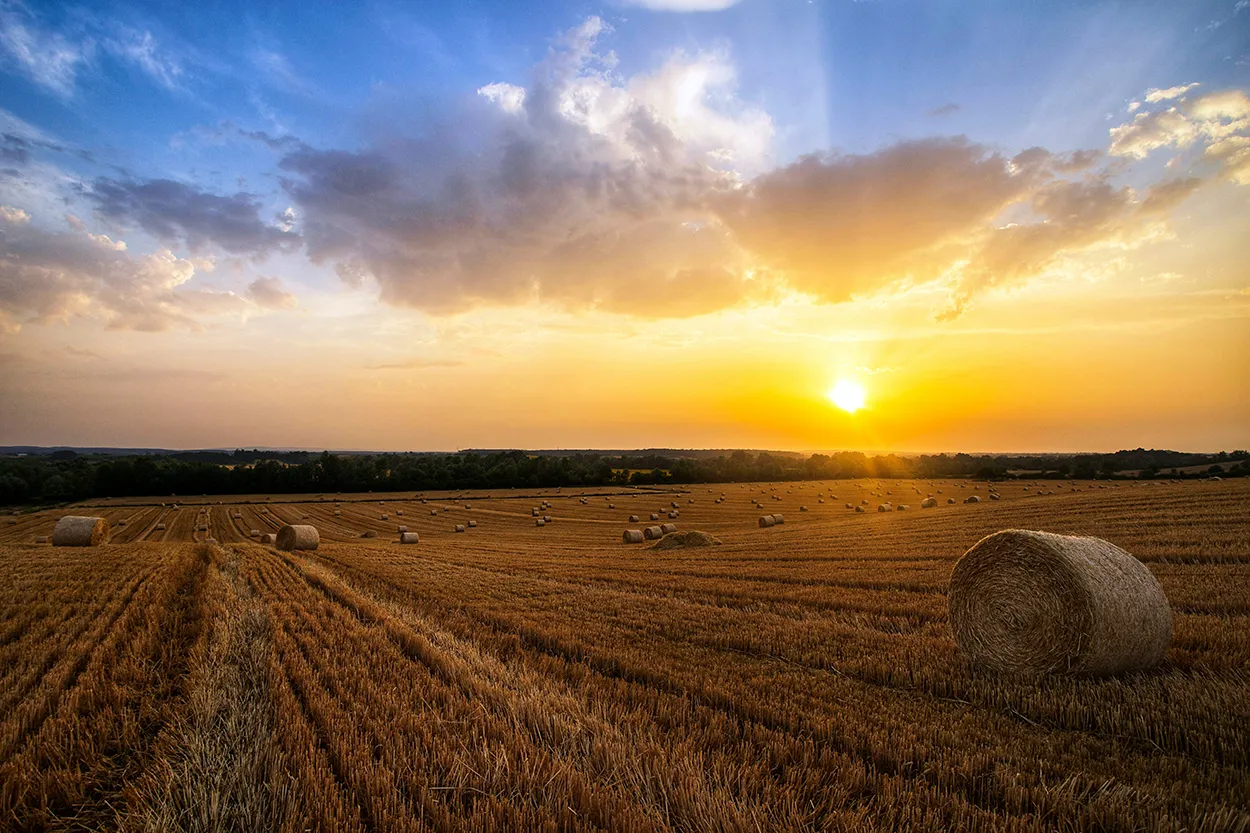
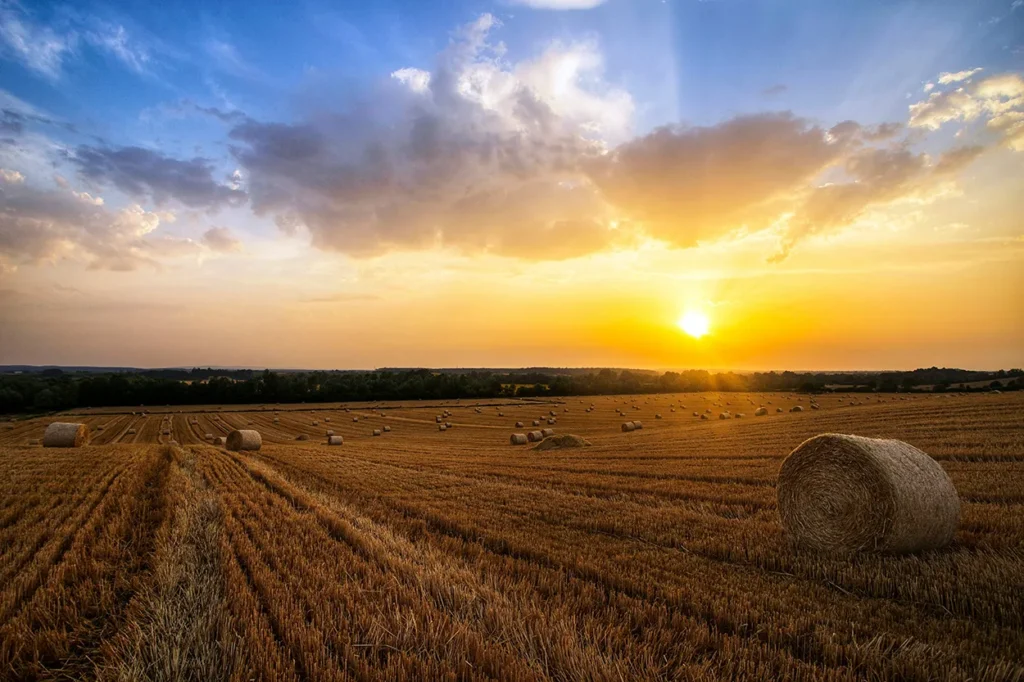
In the eastern part of the country lies Slavonia, a region of wide golden fields, quiet rivers, historic towns, and some of the warmest hospitality you’ll find anywhere in Croatia. Life here moves at a slower pace. Meals are long, nature feels endless, and traditions are still very much alive.
If you’re looking for an authentic Croatian experience far from crowded beaches, holidays in Slavonia might surprise you in the best possible way.
A Region Shaped by History
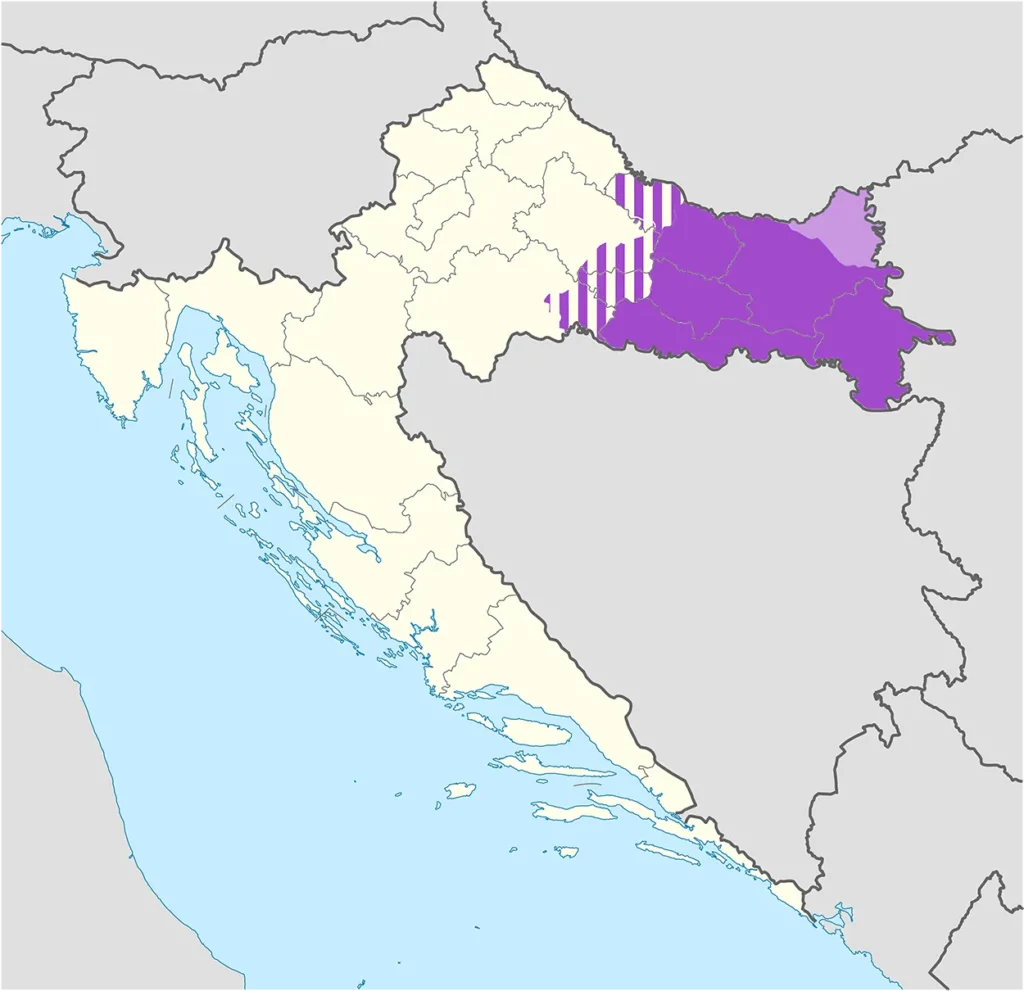
Slavonia sits at the crossroads of Central and Southeastern Europe, and over the centuries many cultures have left their mark here.
Romans once built settlements along the rivers, medieval fortresses guarded trade routes, and later the region became part of the powerful Austro-Hungarian Empire. Each chapter of history added another layer to the region’s character.
One city that tells this story particularly well is Vukovar. After suffering heavy destruction during the Croatian War of Independence, the city was carefully rebuilt. Today it stands as a powerful symbol of resilience and remembrance. Walking along the Danube promenade or visiting the Vukovar Water Tower reminds visitors how deeply history has shaped modern Croatia.
Nature at Its Wildest
One of the things that makes holidays in Slavonia so special is the incredible nature that surrounds the region.
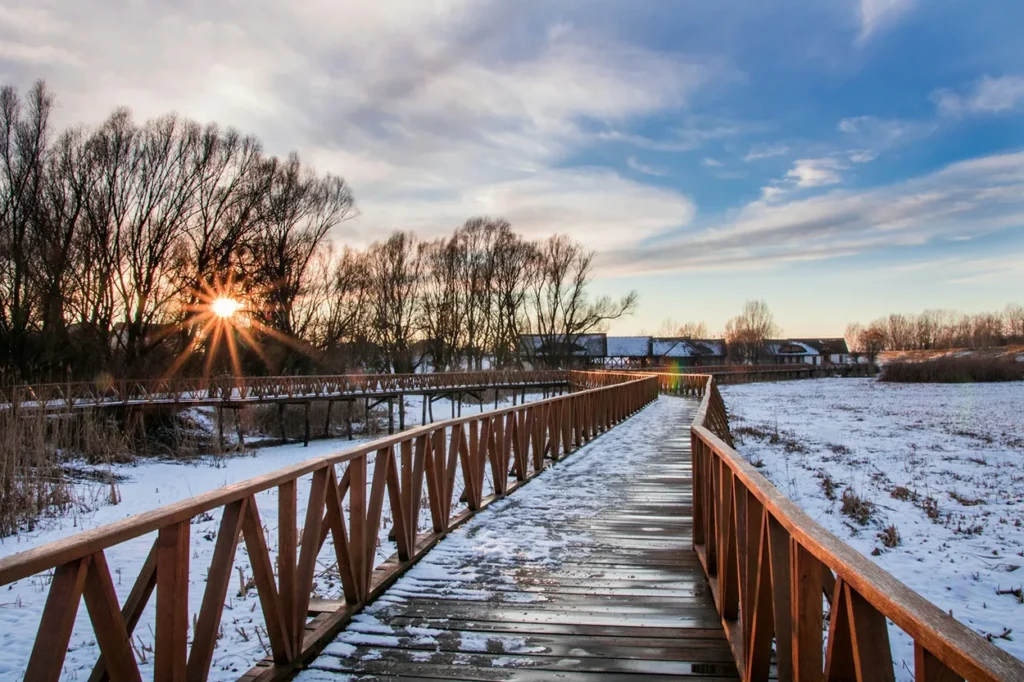
The highlight is Kopački Rit Nature Park, one of the largest wetlands in Europe. Located where the Danube and Drava rivers meet, this protected area is a paradise for wildlife. Wooden boats glide through quiet channels surrounded by reeds, and birdwatchers often spot eagles, herons, and countless other species.
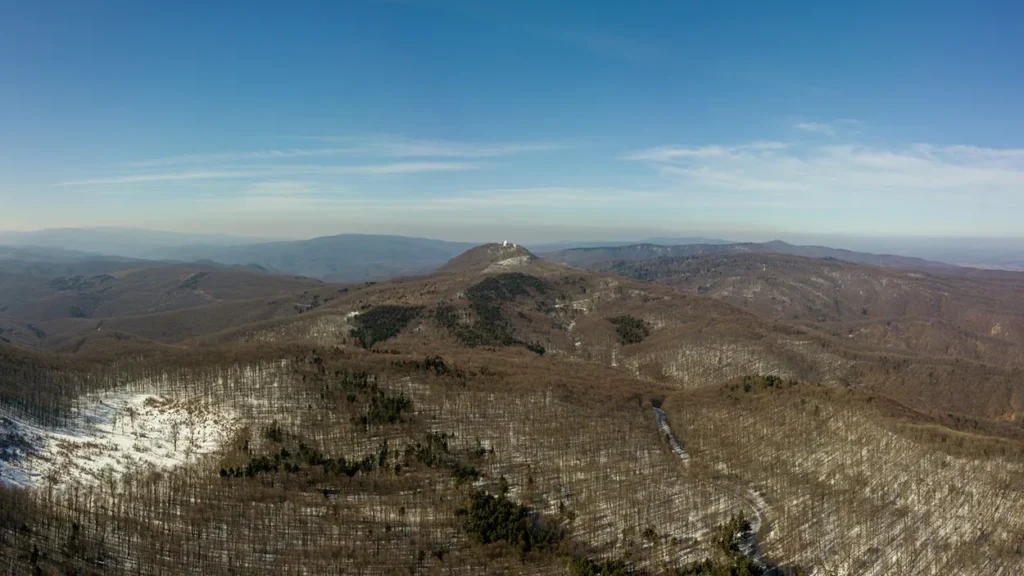
Another natural treasure is Papuk Geopark, a UNESCO-listed park of forested hills, waterfalls, and hiking trails. Exploring Papuk feels like stepping into a green world far removed from busy cities. It’s a wonderful destination for hiking, cycling, or simply breathing in the fresh mountain air.
Charming Historic Towns
Slavonia may be known for nature, but its towns are equally fascinating.
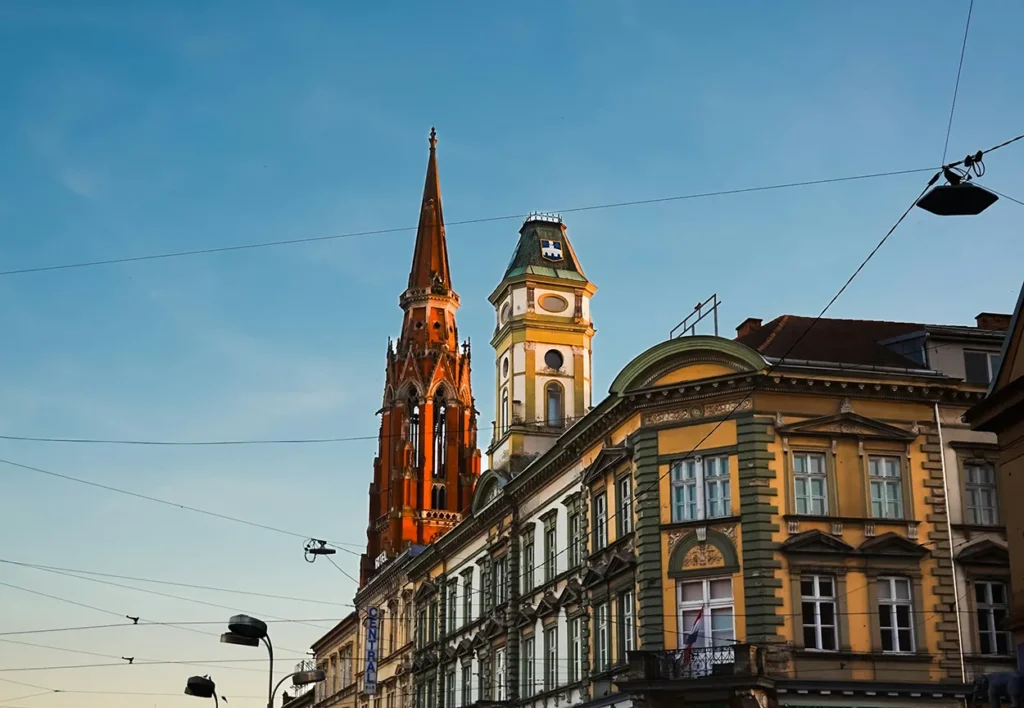
The region’s largest city, Osijek, sits along the Drava River and has a relaxed, welcoming atmosphere. Its historic district, Tvrđa, is a beautifully preserved baroque fortress filled with cobbled streets, old buildings, cafés, and galleries.
Further south lies Đakovo, home to one of the most impressive cathedrals in Croatia. The red-brick Đakovo Cathedral dominates the skyline and is often called one of the most beautiful churches in the country.
And then there is Ilok, perched above the Danube near the Serbian border. This small town is known for its medieval fortress and its vineyards, which produce some of Croatia’s finest wines.
A Region of Wine and Tradition
Slavonia is famous across Croatia for its food and wine.
The fertile plains produce rich ingredients, and local cuisine is hearty and full of flavor. Traditional dishes such as fiš paprikaš, a spicy river fish stew, and čobanac, a slow-cooked meat stew, reflect the region’s rural heritage.
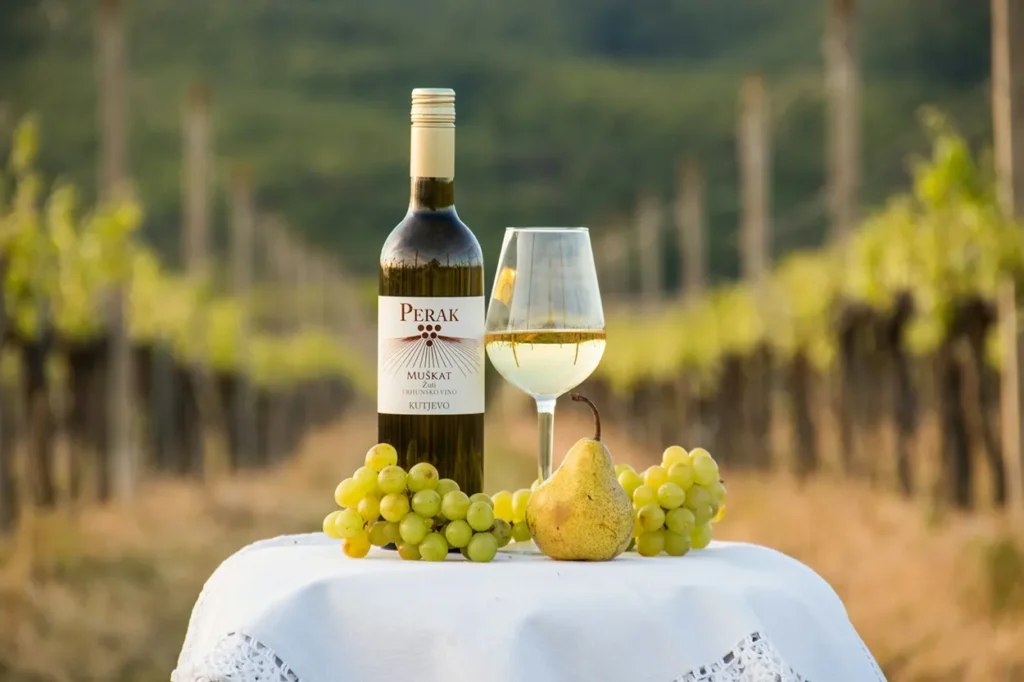
Wine lovers will especially enjoy Kutjevo, one of Croatia’s most important wine regions. The vineyards here have been producing wine for centuries, and many of the old wine cellars date back to the time of the Habsburg monarchy.
If you enjoy tasting local food and wine where it’s actually made, Slavonia offers some of the most authentic culinary experiences in Croatia.
Festivals That Celebrate Local Culture
Slavonia is also deeply proud of its traditions.
One of the best times to visit is during Đakovački vezovi, a famous folklore festival held every July in Đakovo. The streets fill with traditional costumes, music, dancing, and horse parades celebrating Slavonian culture.
These festivals are not just performances for tourists. They are living traditions that local families have preserved for generations.
Why Holidays in Slavonia Are So Special
Unlike Croatia’s busy coastal destinations, Slavonia remains peaceful and authentic.
Here you can cycle through quiet countryside, explore historic towns without crowds, taste wine directly from local vineyards, and enjoy long dinners where hospitality comes naturally.
It’s the kind of place where travelers quickly feel welcome.
Slavonia may not have the turquoise beaches of the Adriatic, but it offers something equally valuable — a chance to experience the heart of Croatia in a slower, more personal way.
Frequently Asked Questions About Holidays in Slavonia
What makes Slavonia different from other regions in Croatia?
Slavonia offers a quieter and more authentic travel experience compared to Croatia’s coastal regions. Visitors come here for nature, vineyards, historic towns, and traditional cuisine rather than beaches and resorts.
What are the must-visit places in Slavonia?
Some highlights include Osijek and its historic Tvrđa district, the impressive Đakovo Cathedral, the vineyards of Kutjevo and Ilok, Kopački Rit Nature Park, and Papuk Geopark.
What outdoor activities can you do in Slavonia?
Nature lovers can explore Kopački Rit by boat, hike or cycle through Papuk Geopark, visit vineyards in Kutjevo and Ilok, and discover peaceful countryside landscapes.
What traditional foods should I try in Slavonia?
Local specialties include fiš paprikaš (spicy fish stew), čobanac (meat stew), kulen sausage, and Graševina wine, the region’s most famous white wine.
When is the best time to visit Slavonia?
The best time to visit is between spring and autumn (April to October). Spring brings lush landscapes, summer offers festivals, and autumn is perfect for vineyard visits and wine tastings.
Some of the stunning photography featured in this article is sourced from the talented contributors on Unsplash – a platform for freely usable visuals that capture Croatia’s magic perfectly.