Table of Contents
Exploring Croatia the Eco-Friendly Way
Croatia is famous for its turquoise coastline, historic towns, and spectacular national parks. But what many visitors discover after arriving is that the country is also an ideal destination for eco-friendly travel.
As someone who grew up in Croatia, I’ve always loved how closely everyday life is connected to nature here. Within a short distance you can move from the Adriatic coast to mountain forests, quiet islands, or peaceful rural villages where traditions have remained unchanged for generations.
Because of this natural diversity, eco-friendly travel in Croatia is surprisingly easy. Travelers can explore the country while making choices that protect its landscapes and support local communities.
Whether you’re hiking through national parks, cycling through vineyards, sailing between islands, or tasting organic food at family farms, Croatia offers many ways to travel responsibly while enjoying unforgettable experiences.
Why Choose Eco-Friendly Travel in Croatia?
Sustainable travel is not just about protecting the environment — it also leads to richer travel experiences.
Choosing eco-friendly travel in Croatia means:
• supporting local businesses
• protecting wildlife and fragile ecosystems
• reducing pollution and plastic waste
• discovering authentic Croatian traditions
Croatia has also taken significant steps toward sustainability. Many accommodations now follow eco-certification programs, national parks focus on conservation, and public transportation networks make low-impact travel easier.
For travelers who care about nature, this makes Croatia an ideal destination.
Best Regions for Eco-Friendly Travel in Croatia
Croatia offers many regions where eco-friendly travel comes naturally thanks to preserved landscapes and strong local traditions.
Istria
Known for vineyards, olive groves, and hilltop towns, Istria is ideal for cycling, farm stays, and organic food experiences.
Dalmatian Islands
Islands such as Mljet, Vis, and Lastovo offer peaceful nature, clear waters, and slower tourism focused on sustainability.
Velebit Mountains
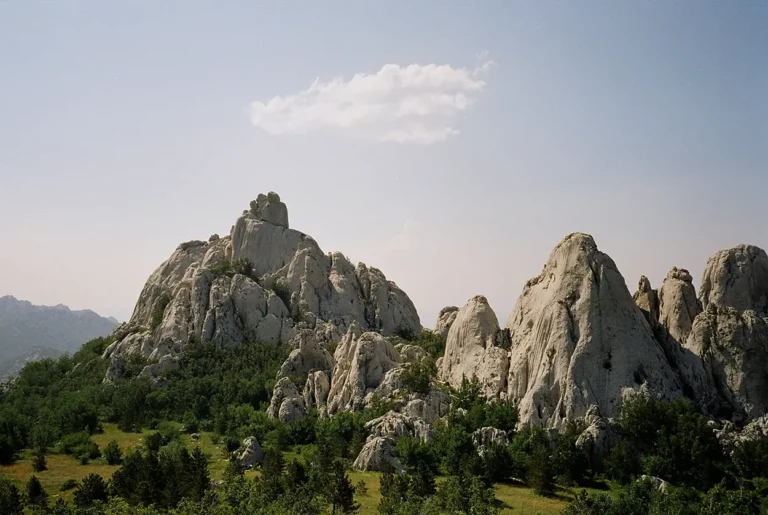
This rugged mountain region is perfect for hiking, wildlife watching, and exploring Croatia’s most protected national parks.
Slavonia
Eastern Croatia offers wetlands, traditional villages, and authentic farm tourism that supports local communities.
Eco-Friendly Ways to Travel Around Croatia
How you move around the country has a big environmental impact. Fortunately, Croatia offers many sustainable transport options.
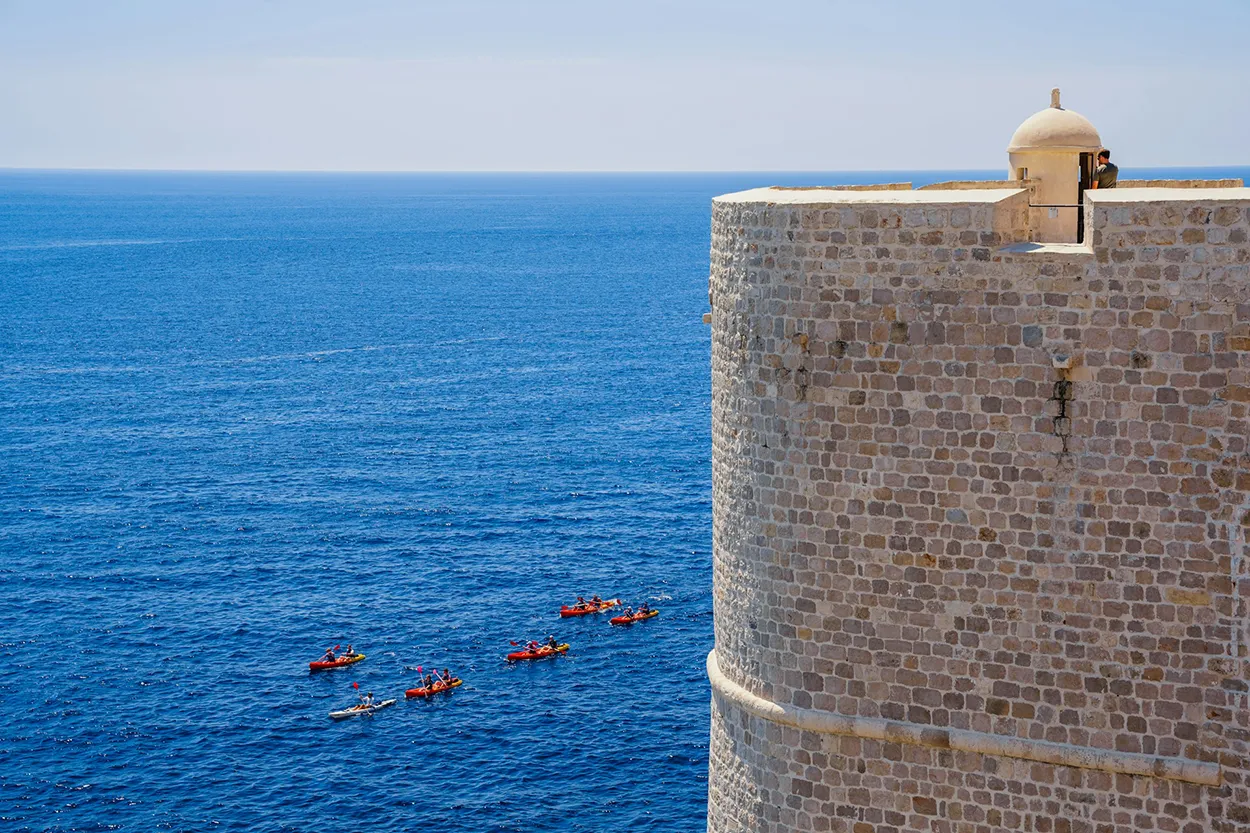
Many travelers combine sustainable travel with island hopping in Croatia, exploring remote islands by ferry, sailboat, or kayak while minimizing environmental impact.
Public Transport
Croatia’s bus network is extensive and connects most towns and regions. Buses are affordable, reliable, and far more environmentally friendly than traveling alone by car.
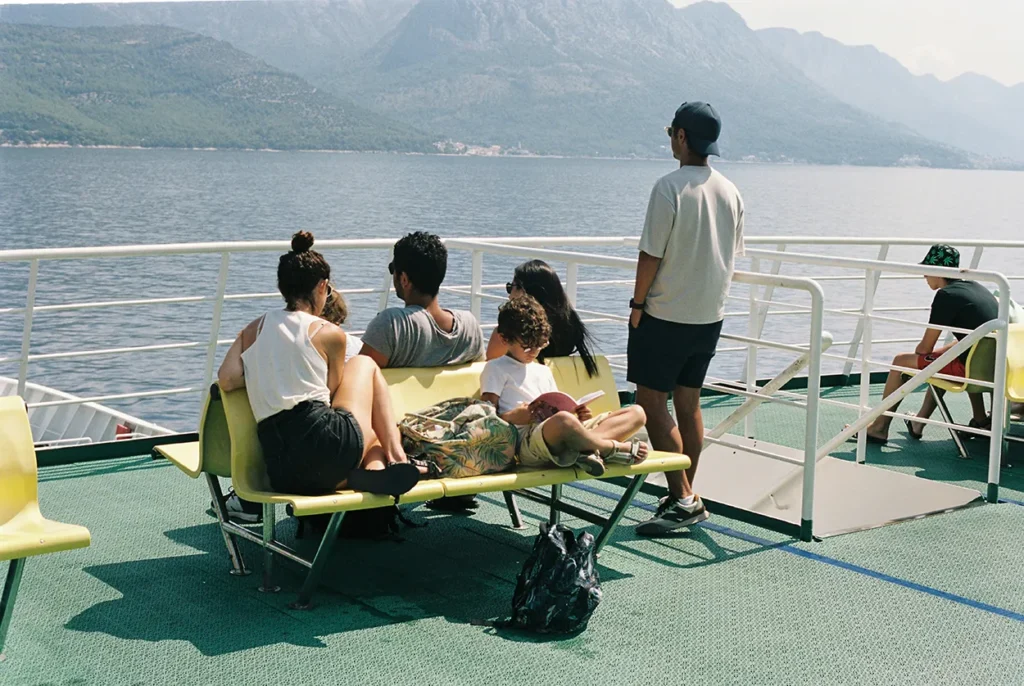
The ferry system also connects the mainland with islands such as Hvar, Korčula, and Vis. Some newer ferry services are even experimenting with cleaner fuel technologies.
Cycling
Cycling is one of the most enjoyable ways to experience eco-friendly travel in Croatia.
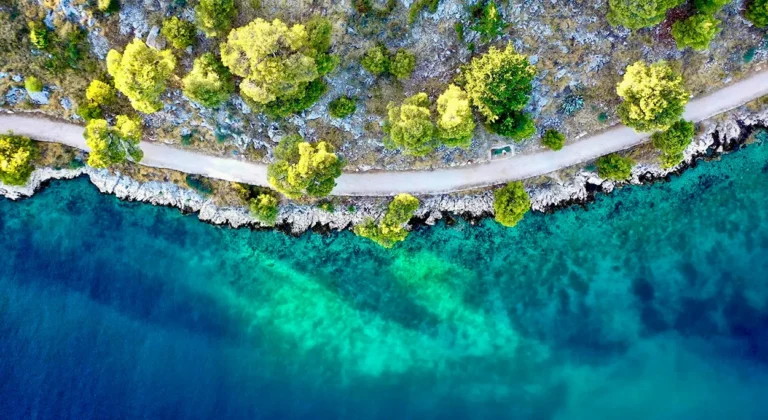
Regions like Istria are especially popular for cycling, with scenic routes passing through vineyards, olive groves, and historic hilltop towns. Along the Dalmatian coast, seaside cycling paths offer incredible views of the Adriatic.
Many cities, including Zagreb and Split, also provide bike rental services, making cycling an easy way to explore urban areas sustainably.
Sustainable Sailing
With more than 1,000 islands, sailing is one of the most iconic ways to explore Croatia.
Some sailing companies now offer eco-friendly catamarans or hybrid boats designed to reduce emissions and fuel consumption. Sailing also allows travelers to reach hidden coves and remote beaches that larger boats cannot access.
For island lovers, it’s one of the most memorable eco-friendly travel experiences in Croatia.

Sustainable Places to Stay in Croatia
Where you stay is another important part of eco-friendly travel.
Croatia now offers a growing number of eco-friendly accommodations, including sustainable hotels, farm stays, and eco-lodges.
Many properties focus on:
- solar energy and renewable power
- water conservation systems
- locally sourced organic food
- plastic reduction initiatives
Agritourism farms are particularly popular. Staying at one allows visitors to experience Croatian countryside life while enjoying homemade food and supporting local farmers.
Travelers looking for responsible accommodation can also explore sustainable accommodations in Croatia, where eco-friendly stays focus on protecting the surrounding environment.

Best Eco-Friendly Activities in Croatia
Croatia’s landscapes make outdoor activities a natural part of sustainable travel. Travelers interested in exploring protected landscapes can also discover more about nature in Croatia, including national parks, wetlands, and mountain ecosystems.
Visit National Parks Responsibly
Croatia’s national parks — including Plitvice Lakes, Krka, and Paklenica — protect some of the country’s most spectacular landscapes.
Visitors can help preserve these areas by:
- staying on marked trails
- avoiding feeding wildlife
- carrying out all trash
- visiting outside peak season when possible
Responsible tourism helps protect these ecosystems for future generations.
Sustainable Wine and Food Experiences
Croatia has a rich food culture built around local ingredients and traditional recipes.
Many small wineries in regions such as Istria and Pelješac now practice organic or biodynamic wine production. Visiting these family-run vineyards offers a wonderful way to experience eco-friendly travel while supporting local agriculture.
Local markets and small restaurants also prioritize seasonal ingredients and regional specialties.
Low-Impact Water Activities
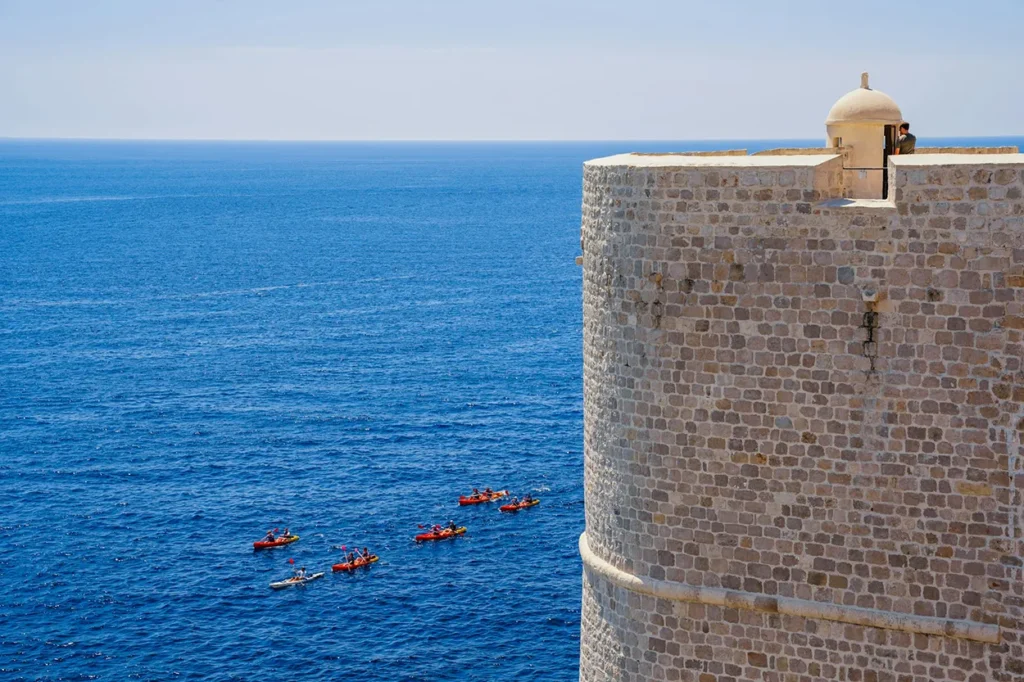
Croatia’s clear waters make it perfect for activities that leave almost no environmental footprint.
Popular sustainable water activities include:
- sea kayaking
- paddleboarding
- snorkeling
- eco-diving programs
Some diving centers even organize underwater clean-up events that allow visitors to help protect marine ecosystems.
How to Be a Responsible Traveler in Croatia
Eco-friendly travel also comes down to small daily choices.
Simple habits can significantly reduce your environmental impact:
- bring a reusable water bottle (tap water is safe to drink)
- carry a reusable shopping bag
- avoid single-use plastics
- use reef-safe sunscreen
- respect wildlife and natural habitats
These small steps help protect Croatia’s landscapes and oceans.
FAQ: Eco-Friendly Travel in Croatia
Is Croatia a good destination for eco-friendly travel?
Yes. Croatia has many protected natural areas, sustainable accommodations, and outdoor activities that allow visitors to explore responsibly.
What are the most eco-friendly activities in Croatia?
Popular options include hiking in national parks, cycling in Istria, sea kayaking along the Dalmatian coast, and staying on organic farm stays.
Is public transport good for sustainable travel in Croatia?
Croatia’s bus and ferry networks connect most regions and islands, making it possible to travel without renting a car.
Can visitors support local communities while traveling?
Yes. Staying at family-run guesthouses, visiting local markets, and dining at traditional restaurants helps support local economies.
Eco-Friendly Travel in Croatia: Discover the Sustainable Side of the Country
Croatia’s natural beauty is one of its greatest treasures.
From waterfalls and forests to islands and vineyards, the country offers endless opportunities to explore nature responsibly.
Eco-friendly travel in Croatia allows visitors to experience these landscapes while protecting them for the future.
If you love nature and responsible travel, Croatia offers one of Europe’s most rewarding eco-friendly destinations — where stunning landscapes and sustainable travel go hand in hand.
And once you begin exploring Croatia this way, it quickly becomes clear that traveling sustainably is not only better for the planet — it also leads to more meaningful and memorable adventures.
Some of the stunning photography featured in this article is sourced from the talented contributors on Unsplash – a platform for freely usable visuals that capture Croatia’s magic perfectly.