
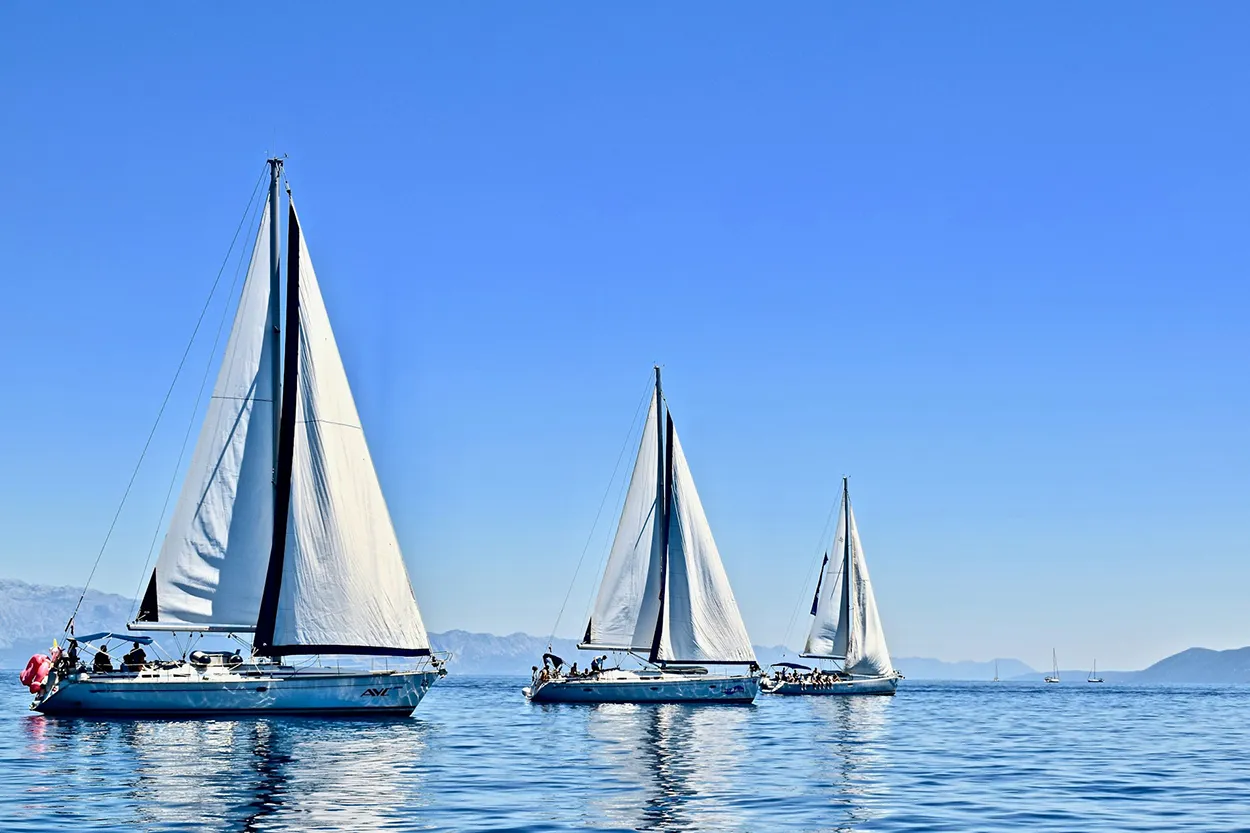
Eco-tourism in Croatia allows travelers to explore waterfalls, forests, islands, and wildlife while respecting nature. Sustainable activities like hiking in national parks, cycling through Istria, sea kayaking along the Dalmatian coast, and staying on organic farms make Croatia an ideal destination for responsible travel.
Table of Contents
Croatia’s landscapes make sustainable travel not only possible, but incredibly rewarding. From national parks and quiet islands to rural farms and coastal adventures, eco-tourism in Croatia offers experiences that connect travelers with nature in a meaningful way.
Eco-Tourism in Croatia: Discover the Green Side of the Country
Croatia is famous for its turquoise sea, historic towns, and beautiful islands. But beyond the postcard views lies something even more special: remarkably preserved nature.
As someone who grew up in Croatia, I’ve always loved how quickly you can escape into nature here. Within a short drive you can go from the coast to mountain forests, peaceful wetlands, or remote islands where the sea feels untouched.
That’s why eco-tourism in Croatia has become increasingly popular. Travelers are discovering that the country offers many ways to explore responsibly — while still enjoying unforgettable adventures.
From hiking in national parks and kayaking along quiet coastlines to visiting organic farms and cycling through vineyard landscapes, Croatia makes sustainable travel surprisingly easy.
Let’s explore some of the best eco-tourism experiences Croatia has to offer.
Eco-Tourism in Croatia: Hiking Through National Parks
One of the most rewarding ways to experience eco-tourism in Croatia is simply to explore the country on foot.
Croatia has eight national parks, each protecting unique landscapes — from waterfalls and lakes to mountains and island ecosystems that showcase the incredible diversity of eco-tourism in Croatia.
Plitvice Lakes National Park
Plitvice Lakes is Croatia’s most famous national park and a UNESCO World Heritage Site. Sixteen turquoise lakes connect through a network of waterfalls and wooden pathways.
Because the park is largely car-free, visitors can explore peacefully while protecting the fragile ecosystem.
Walking through Plitvice often feels almost unreal — the colors of the water shift from emerald green to deep blue depending on light and minerals.
Paklenica National Park
For hikers and climbers, Paklenica National Park in the Velebit mountains is an incredible destination.
Two dramatic canyons cut deep into the landscape, creating spectacular trails surrounded by forests, cliffs, and diverse wildlife.
It’s one of the best places to experience wild mountain landscapes as part of eco-tourism in Croatia.

Mljet National Park
On the island of Mljet lies one of the most peaceful national parks in Croatia.
Dense pine forests surround two saltwater lakes, creating a tranquil setting perfect for cycling, kayaking, or quiet nature walks.
In the middle of the larger lake stands a small island monastery, adding a magical atmosphere to this beautiful park.
Eco-Tourism in Croatia: Cycling Through Istria
Cycling is one of the most sustainable ways to explore Croatia, and Istria is one of the best regions for it.
This heart-shaped peninsula offers rolling hills, vineyards, olive groves, and charming hilltop towns connected by scenic cycling routes.
Many eco-tour operators offer guided bike tours through medieval villages and countryside landscapes. Along the way you can stop at family-run wineries, olive oil producers, and traditional konobas serving local food.
Exploring Istria by bike is slow, peaceful, and deeply connected to the landscape — exactly what eco-tourism should feel like.
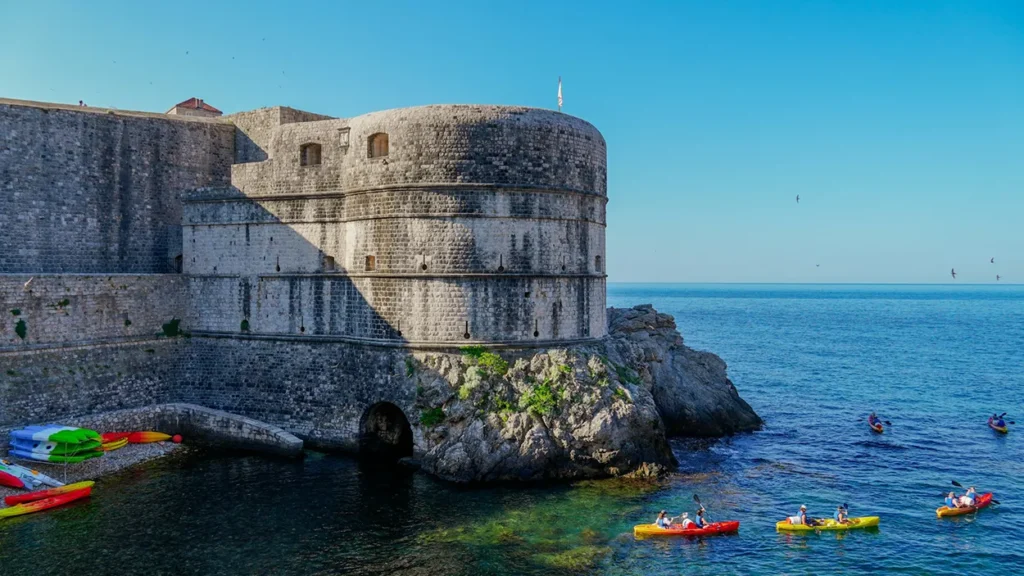
Eco-Tourism in Croatia: Sea Kayaking Along the Dalmatian Coast
With more than 1,000 islands, Croatia’s coastline is perfect for sea kayaking.
Instead of crowded boat tours, kayaking allows you to explore quietly and responsibly while discovering hidden corners of the Adriatic.
Popular eco-tourism kayaking destinations include:
Dubrovnik coastline
Paddle along the historic city walls and discover hidden beaches like Betina Cave.
Kornati Islands
A spectacular archipelago of more than 140 islands, ideal for adventurous paddlers.
Elafiti Islands
Crystal-clear water, peaceful villages, and quiet coves just a short distance from Dubrovnik.
Kayaking lets you experience Croatia’s marine landscapes without disturbing the environment.
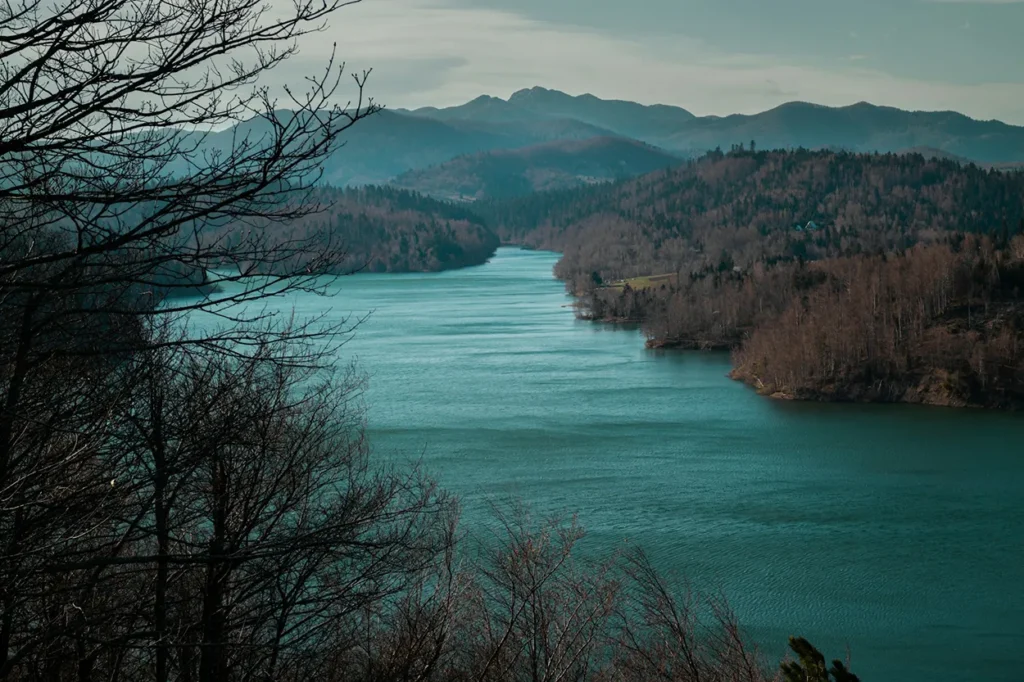
Eco-Tourism in Croatia: Discovering Wildlife and Nature Reserves
Eco-tourism in Croatia isn’t only about landscapes — it’s also about wildlife.
Several protected areas allow visitors to observe rare species while preserving delicate ecosystems.
Kopački Rit Nature Park
Located where the Drava and Danube rivers meet, Kopački Rit is one of Europe’s largest wetlands.
Often called the “Amazon of Europe,” it is a paradise for birdwatchers with more than 260 bird species, including white-tailed eagles and herons.
Boat tours and wooden walkways allow visitors to explore the wetlands while minimizing environmental impact.
Risnjak National Park
Deep in the forested mountains near the Slovenian border lies Risnjak National Park.
This remote wilderness protects populations of lynx, wolves, and bears — some of Europe’s most elusive wildlife.
For nature lovers seeking true wilderness, Risnjak offers one of the most authentic eco-tourism experiences in Croatia.
Telašćica Nature Park
Located on Dugi Otok island, Telašćica Nature Park combines dramatic cliffs, peaceful coves, and a unique saltwater lake.
The park is also home to dolphins, diverse marine life, and protected coastal ecosystems.
Eco-Tourism in Croatia: Organic Farm Stays and Agrotourism
One of the most authentic eco-tourism experiences in Croatia is staying on a family farm.
Agrotourism has deep roots in rural Croatia, especially in regions like Istria and Slavonia.
Visitors can enjoy:
- farm-to-table meals
- olive oil and wine tastings
- truffle hunting experiences
- traditional cooking workshops
One well-known example is Zrno Organic Farm, Croatia’s oldest certified organic farm.
These stays support local communities while offering travelers a deeper connection to Croatian culture and food traditions.
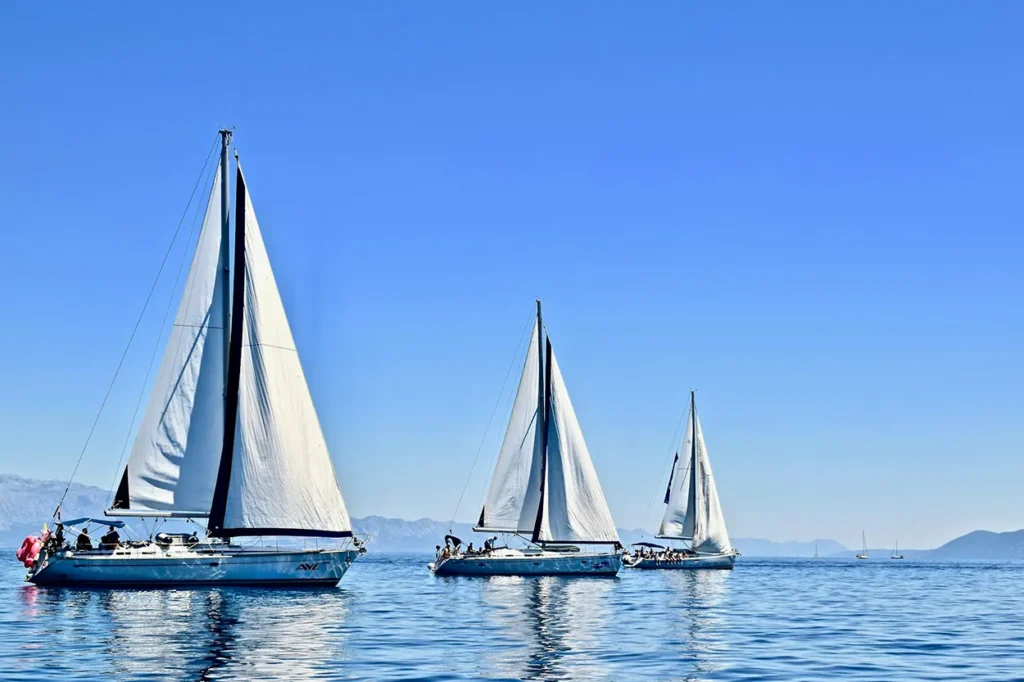
Eco-Tourism in Croatia: Sustainable Sailing
Croatia’s islands are legendary among sailors. But eco-tourism is encouraging more sustainable ways to explore the sea.
Some companies now offer:
- solar-powered catamarans
- electric sailing yachts
- plastic-free boat tours
These innovations help reduce pollution while protecting marine ecosystems.
For travelers who love the sea, sustainable sailing offers an exciting new way to experience eco-tourism in Croatia.
Eco-Friendly Stays: Sustainable Accommodations in Croatia
Sustainable travel also means choosing the right place to stay.
Many hotels, campsites, and guesthouses in Croatia now focus on eco-friendly practices such as:
- solar energy
- organic food
- water conservation
- plastic reduction
Travelers interested in responsible tourism can also explore sustainable accommodations in Croatia, where eco-friendly stays are designed to minimize environmental impact.
Simple Tips for Eco-Friendly Travel in Croatia
Eco-tourism in Croatia is also about how we travel.
A few small choices can make a big difference:
- bring a reusable water bottle
- use public transport or ferries when possible
- support local markets and family businesses
- stay on marked hiking trails
- avoid disturbing wildlife
Responsible travel helps protect Croatia’s landscapes so future generations can enjoy them too.
Eco-Tourism in Croatia: Travel Responsibly, Explore Beautifully
Croatia’s natural landscapes are some of the most diverse in Europe.
From waterfalls and forests to islands and wetlands, the country offers endless opportunities for adventure — without sacrificing sustainability.
Croatia protects this incredible biodiversity through eight national parks and eleven nature parks. If you want to explore these landscapes in more detail, you can discover more about the nature in Croatia, from waterfalls and mountains to protected wetlands.
Eco-tourism in Croatia allows travelers to explore responsibly while experiencing the country’s incredible natural beauty.
And once you discover these landscapes, it becomes clear why protecting them matters so much.
Some of the stunning photography featured in this article is sourced from the talented contributors on Unsplash – a platform for freely usable visuals that capture Croatia’s magic perfectly.