When people think about Croatia, they usually imagine sunny beaches, historic towns, and the turquoise Adriatic Sea. And yes — the coastline is stunning.
But what many visitors discover only after arriving is that nature in Croatia goes far beyond the coast.
Croatia protects much of this incredible biodiversity through eight national parks and eleven nature parks, making it one of the most nature-rich destinations in Europe. Travelers interested in responsible tourism can also explore sustainable accommodations in Croatia that help preserve these landscapes.
The country is filled with mountains, forests, lakes, wetlands, and islands that feel almost untouched. Croatia protects this incredible biodiversity through eight national parks and eleven nature parks, making it one of the most nature-rich destinations in Europe.
As someone who grew up in Croatia, I’ve always loved how quickly you can move from the sea to the mountains, or from a busy city to quiet forests filled with birds and wildlife.
If you enjoy hiking, kayaking, wildlife watching, or simply being surrounded by beautiful landscapes, nature in Croatia offers endless opportunities to explore.
Table of Contents
National Parks in Croatia
Croatia protects some of its most beautiful landscapes through eight national parks, each offering a different natural experience. These parks preserve waterfalls, forests, mountains, islands, and rivers that are among the most spectacular examples of nature in Croatia.
The eight national parks are:
- Plitvice Lakes National Park – famous for its turquoise lakes and waterfalls
- Krka National Park – known for its stunning river cascades
- Mljet National Park – a peaceful island park with saltwater lakes
- Kornati National Park – a unique archipelago of over 100 islands
- Paklenica National Park – dramatic canyons and hiking trails in the Velebit mountains
- Brijuni National Park – islands combining nature and historical sites
- Risnjak National Park – a mountainous forest park rich in wildlife
- Northern Velebit National Park – one of the wildest and most protected mountain landscapes in Croatia
Together, these parks show just how diverse nature in Croatia truly is.
Nature in Croatia – A Land of National Parks
Croatia’s national parks protect some of the most spectacular landscapes in the country. Each park has its own character, from waterfalls and rivers to mountains and island ecosystems.
Plitvice Lakes National Park – A Symphony of Waterfalls
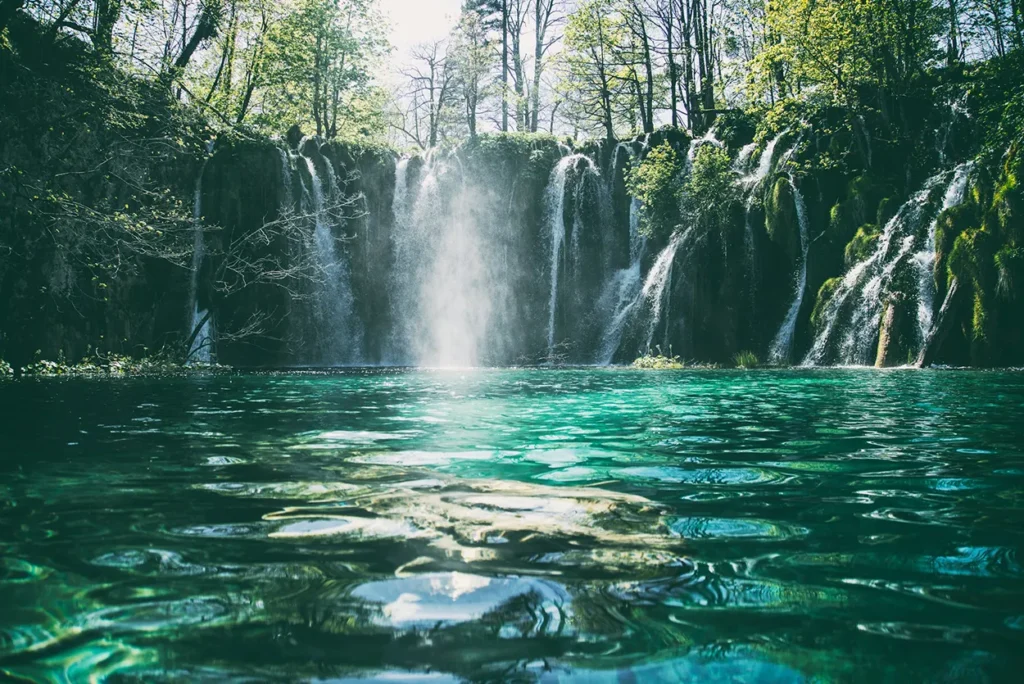
Plitvice Lakes National Park is probably the most famous example of nature in Croatia.
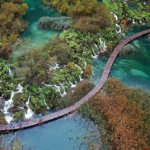
Sixteen turquoise lakes cascade into each other through a network of waterfalls, surrounded by dense forest. Wooden walking paths allow visitors to explore the park while staying close to the water.
Every time I visit Plitvice, the colors feel almost unreal. The lakes shift from emerald green to deep blue depending on the light and minerals in the water.
It’s no surprise that this breathtaking landscape is a UNESCO World Heritage Site and one of Croatia’s most visited natural attractions.
Krka National Park – Waterfalls and History
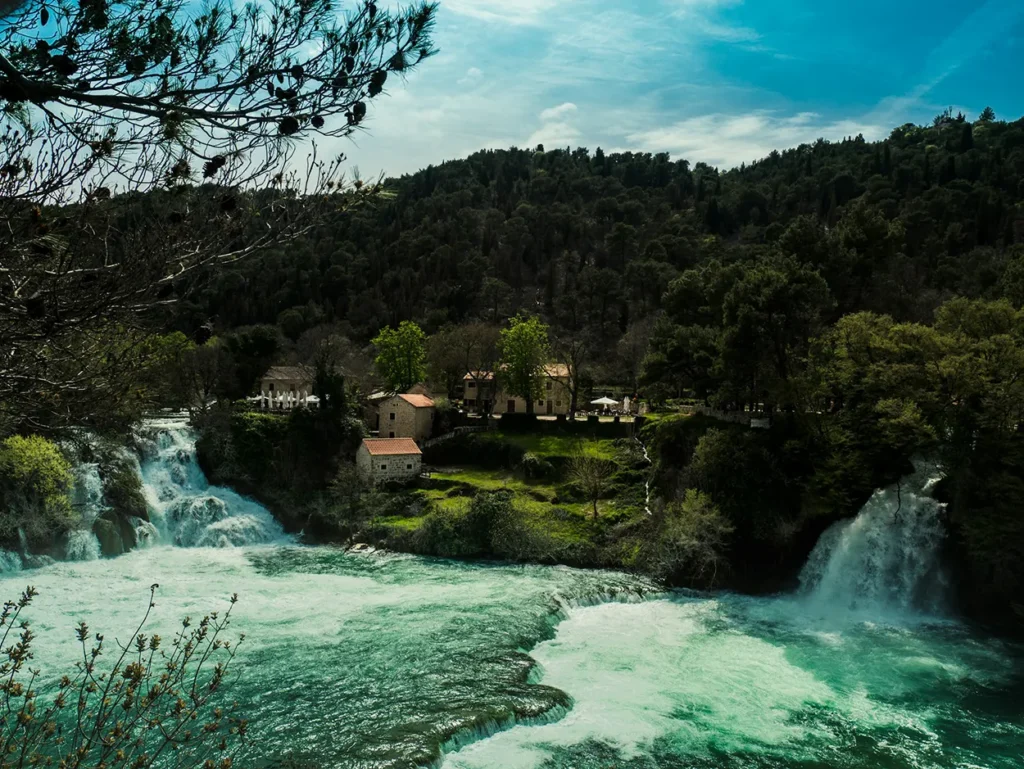
Another spectacular destination for experiencing nature in Croatia is Krka National Park, located near the historic city of Šibenik.
The Krka River forms a series of beautiful waterfalls, with Skradinski Buk being the most famous. The cascading water spreads across multiple limestone terraces, creating one of the most impressive waterfall systems in Europe.
Krka is also unique because it combines nature with history. The peaceful Visovac Monastery, located on a tiny island in the middle of the river, adds a quiet spiritual atmosphere to the landscape.
Mljet National Park – A Peaceful Island Paradise
On the island of Mljet lies one of the most tranquil examples of nature in Croatia.
Mljet National Park is famous for its two saltwater lakes, Veliko Jezero and Malo Jezero. Surrounded by thick pine forests, the lakes create a peaceful setting perfect for cycling, kayaking, or simply enjoying the silence.
In the middle of the larger lake stands a small island with a 12th-century Benedictine monastery — a magical place that feels far removed from modern life.
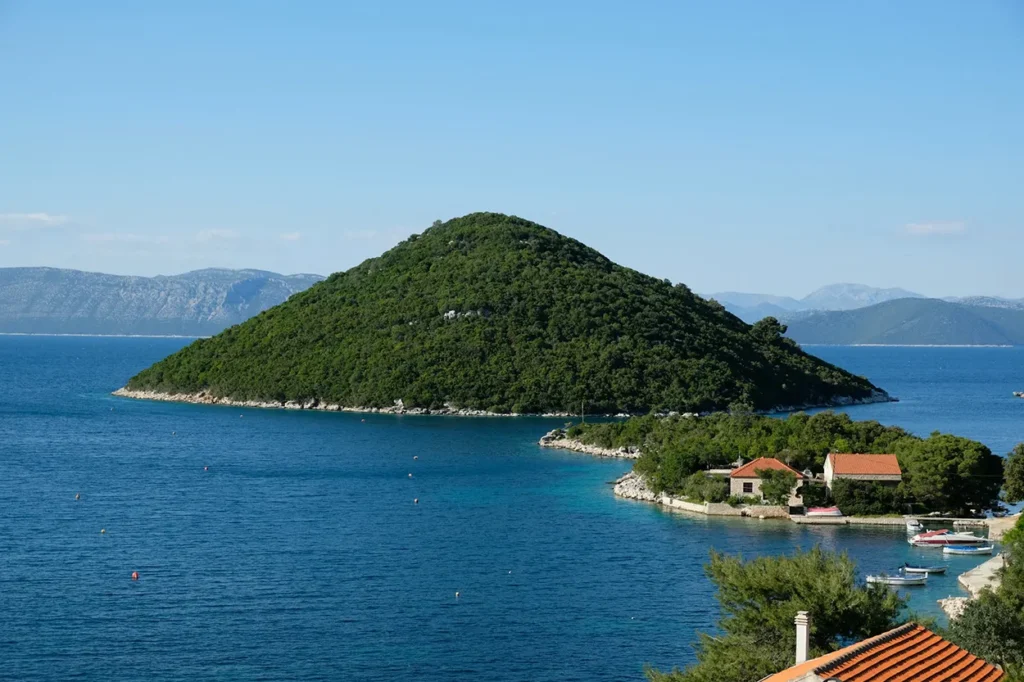
Kornati National Park – Islands of Stone and Sea
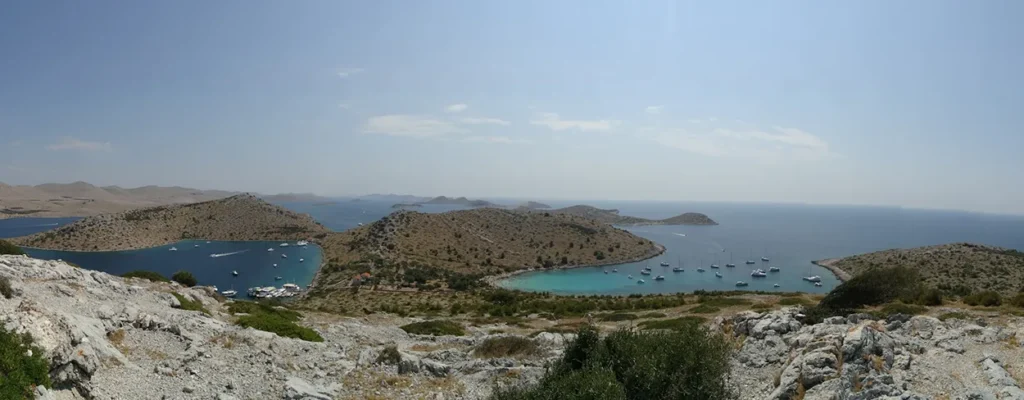
Kornati National Park protects a unique archipelago of around 140 islands, islets, and reefs, making it the densest island group in the Mediterranean.
Unlike the lush forests of Plitvice or Mljet, the Kornati islands are stark and rocky. Their beauty comes from the contrast between the pale stone cliffs and the deep blue sea surrounding them.
For sailors and divers, this part of nature in Croatia is unforgettable.
Paklenica National Park – A Paradise for Hikers
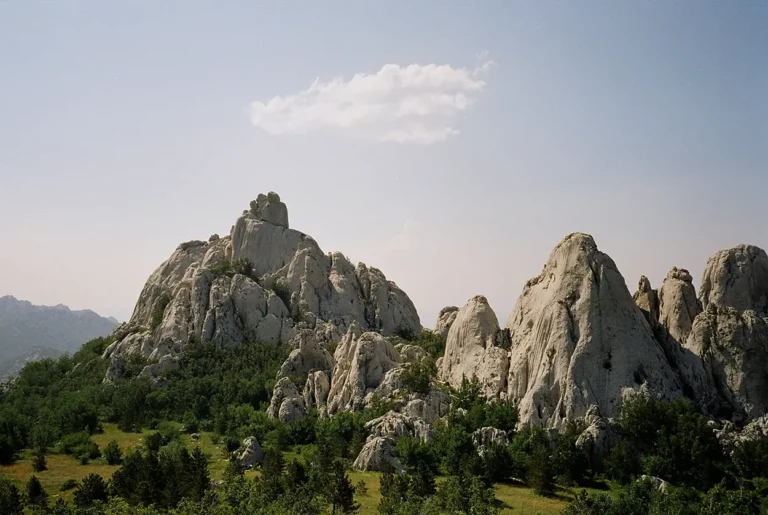
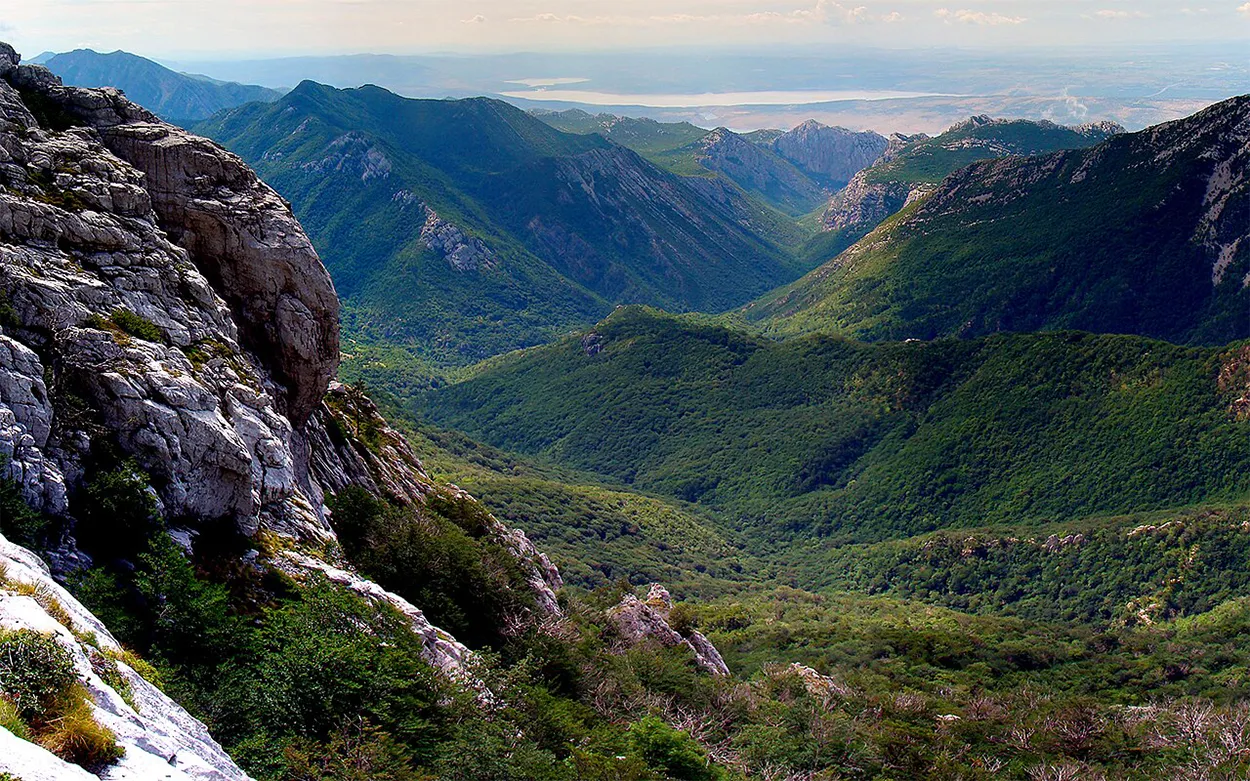
Located in the Velebit mountain range, Paklenica National Park is a dream destination for hikers and climbers.
Two dramatic canyons — Velika Paklenica and Mala Paklenica — cut deep into the mountain landscape. Towering cliffs, forests, and hidden streams make this one of the most exciting places to experience nature in Croatia on foot.
The park is also home to a rich variety of wildlife, including many bird species and rare plants.
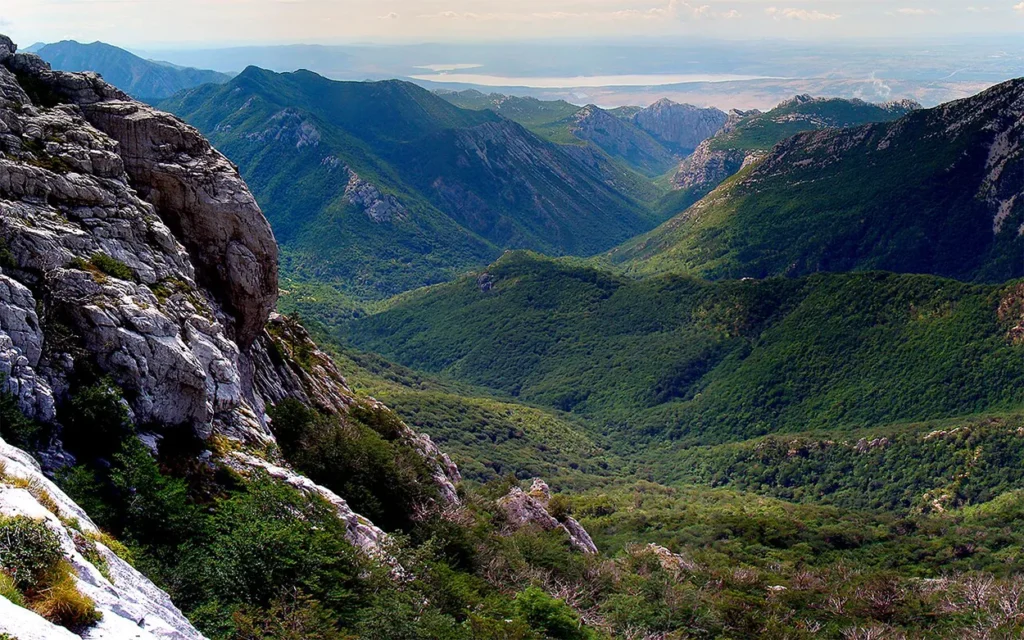
Intipacha, source; Wikipedia
Brijuni National Park – Nature and History Together
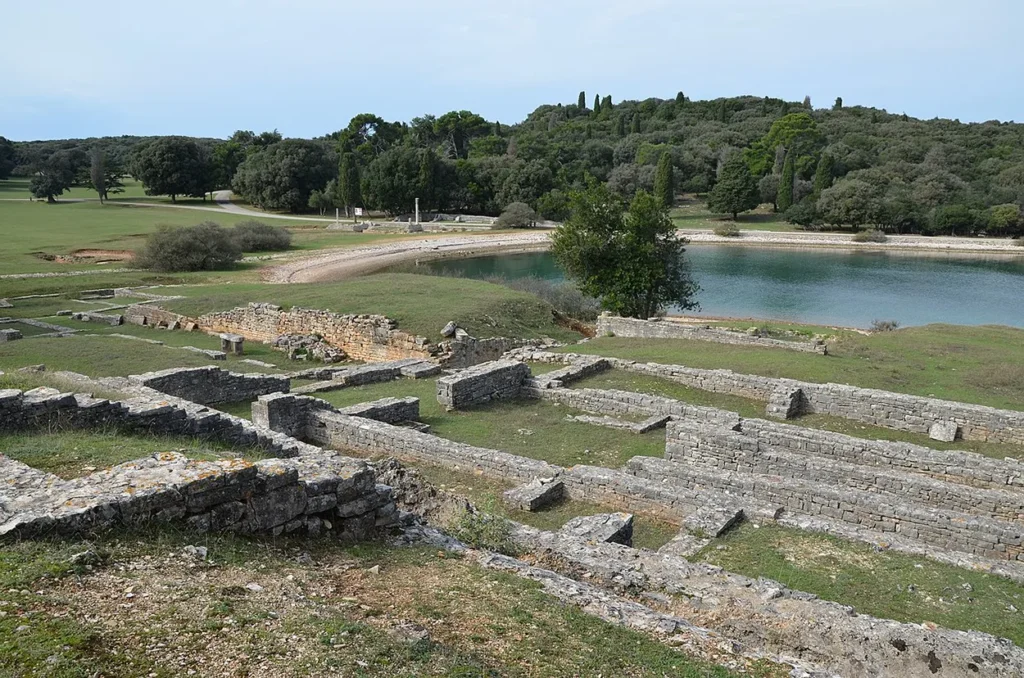
Off the coast of Istria lies the Brijuni archipelago, a group of fourteen islands combining beautiful landscapes with fascinating history.
Visitors to Brijuni can explore forests, coastal paths, archaeological sites, and even dinosaur footprints preserved in the stone.
This combination of culture and nature in Croatia makes Brijuni one of the country’s most unique national parks.
Nature Parks in Croatia – Hidden Natural Treasures
Beyond the national parks, Croatia also protects many landscapes through eleven nature parks. These areas often receive fewer visitors but are equally fascinating.
Kopački Rit – One of Europe’s Great Wetlands
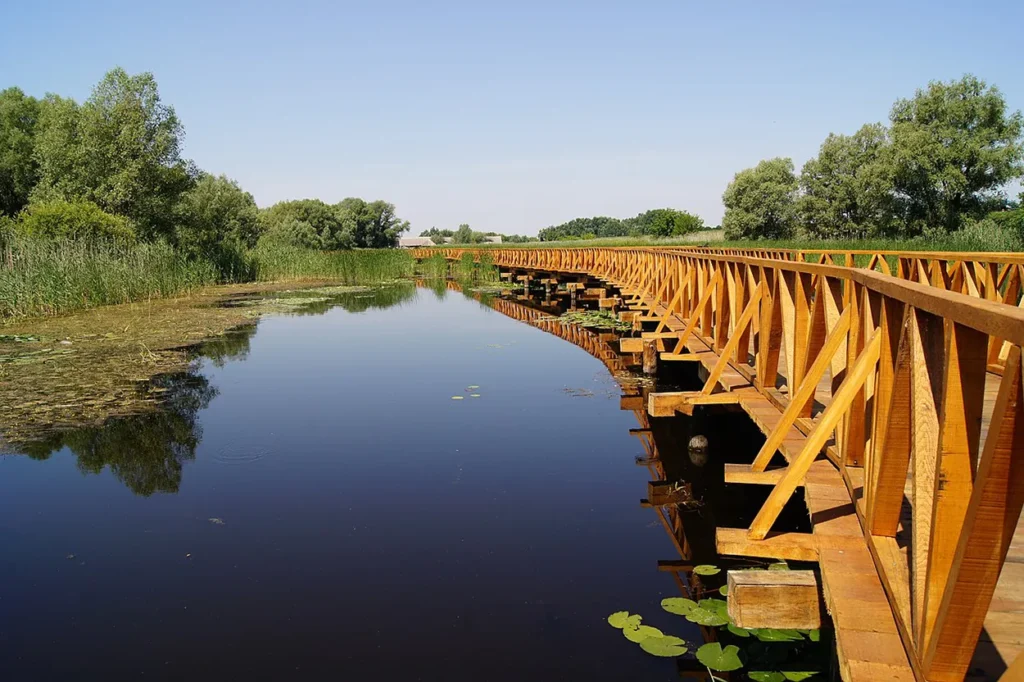
Located where the Drava and Danube rivers meet, Kopački Rit Nature Park is one of the largest wetlands in Europe.
The park is famous for its incredible biodiversity, especially birdlife. More than 290 bird species have been recorded here, including white-tailed eagles and herons.
Exploring the park by boat or wooden boardwalk feels like entering a completely different world of nature in Croatia.
Biokovo Nature Park – Mountains Above the Sea
Rising dramatically above the Dalmatian coast, Biokovo Nature Park offers some of the most spectacular views in Croatia.
The road leading to the summit of Sveti Jure, one of the highest peaks in the country, provides breathtaking panoramas of the Adriatic islands.
The famous Biokovo Skywalk, a glass viewing platform suspended above the mountain cliffs, adds a thrilling experience for visitors.

Lonjsko Polje – A Landscape Frozen in Time
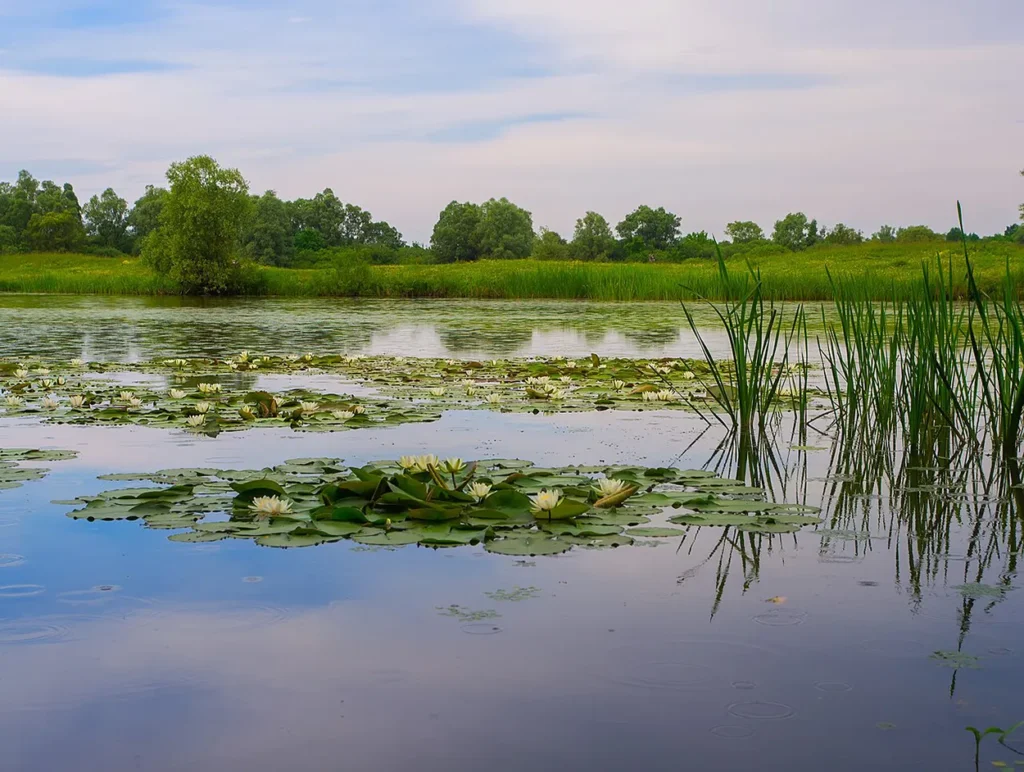
Lonjsko Polje Nature Park is one of the most culturally unique landscapes in Croatia.
This vast floodplain is dotted with traditional wooden houses and rural villages where people still practice centuries-old farming traditions.
Cycling through the area, you’ll often see white storks nesting on rooftops and herds of the indigenous Turopolje pigs roaming freely.
It’s a beautiful example of how nature and traditional life coexist in Croatia.
Why Nature in Croatia Is So Special
One of the things that makes nature in Croatia truly remarkable is how diverse it is within such a small country.
In just a few hours, you can move from mountain forests to coastal islands, from wetlands full of wildlife to waterfalls cascading through limestone landscapes.
This diversity is also why Croatia has made such strong efforts to protect its natural areas through national parks, nature parks, and conservation programs.
For travelers who love the outdoors, Croatia offers a rare combination of adventure, beauty, and tranquility.
Discover the Natural Side of Croatia
Exploring nature in Croatia reveals a side of the country that many visitors don’t expect.
Beyond the beaches and historic cities lies a landscape filled with waterfalls, mountains, forests, and quiet island parks waiting to be discovered.
Whether you’re hiking through rugged canyons, kayaking across crystal-clear lakes, or watching birds in peaceful wetlands, Croatia’s natural wonders offer unforgettable experiences.
And once you start exploring them, it becomes clear why nature is such an important part of Croatian life.
Some of the stunning photography featured in this article is sourced from the talented contributors on Unsplash – a platform for freely usable visuals that capture Croatia’s magic perfectly.