Travel Tips Croatia: Everything You Need to Know Before Your Trip
If you’re planning a trip to Croatia, congratulations – you’re about to step into one of my favorite places on Earth (and I say that not just because I was born here). This is a land where medieval walls meet turquoise seas, where you can swim in the morning, wander Roman ruins in the afternoon, and sip wine under olive trees at sunset.
But here’s the thing – while Croatia is naturally stunning, there are a few insider details that can make your trip even better. So, in true “Travel Tips Croatia” fashion, I’m going to share what guidebooks often skip.
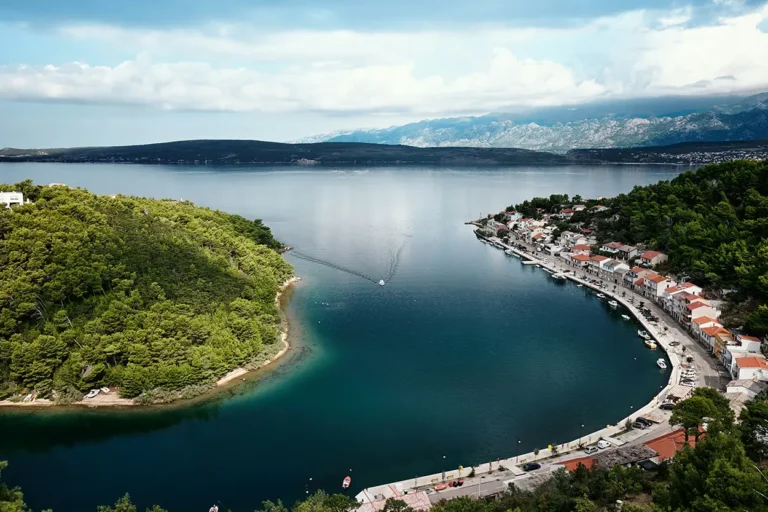
For starters, our coast stretches over 1,700 kilometers, but the real jaw-dropper? We have over 1,200 islands – and no, you can’t visit them all in one trip (trust me, I’ve tried). Some are lively and buzzing with beach bars, while others have only one sleepy fishing village… or just a goat or two.
One of my personal travel tips? Don’t just stick to the famous names like Dubrovnik or Hvar. Sure, they’re gorgeous, but if you wander into places like Vis, Lastovo, or the Kornati islands, you’ll find yourself in that postcard-perfect Croatia without the cruise ship crowds.
And here’s a fun fact: in many coastal towns, coffee isn’t just a drink – it’s a slow ritual. We’ll happily spend two hours over one espresso, people-watching and chatting. So when you sit down for “just a quick coffee,” know that you’re stepping into a national pastime.
In this guide, I’ll take you through everything – from when to visit and how to get around, to packing smart and avoiding common tourist mistakes – so you can enjoy Croatia like a local, not just a visitor.
Table of Contents

Travel Tips Croatia #1: Best Time to Visit Croatia
Timing really is everything here. Croatia has its magic all year round, but the kind of trip you’ll have depends on when you come.
In summer (June – August), the Adriatic is warm, the islands are alive with festivals, and every café terrace hums with energy. But… you’ll also share it with half of Europe. Prices climb, ferries fill up, and you may need to reserve that dreamy dinner spot days in advance.
Spring (April – June) is when I love to explore national parks – waterfalls roar from the melting snow, wildflowers bloom, and the sea starts to warm up. Fall (September – October) is my secret sweet spot. The water is still swimmable, the vineyards are busy with harvest, and you can wander Dubrovnik’s old town without playing tourist bumper cars.
Winter (November – March) is slow and peaceful. Zagreb’s Christmas market is pure magic – mulled wine, fritule (sweet little dough balls), and fairy lights everywhere. On the coast, some spots hibernate, but that also means you can have the stone streets and winter sunsets all to yourself.
If you’re not into crowds or standing in line for hours just to get into a cathedral or onto a beach, skip peak summer. Late spring or early fall gives you that perfect blend of sunshine, open attractions, and space to breathe.
For a detailed month-by-month guide (and a few of my secret seasonal tips), check out my full post on Best Time to Visit Croatia.
Travel Tips Croatia #2: Packing Essentials for Croatia
Croatia has a little bit of everything – beaches, mountains, islands, and historic cities – so packing smart will save you both time and stress.
- Comfortable Shoes – Those ancient cobblestone streets will give your feet a workout (trust me, I’ve learned the hard way).
- Swimsuit & Beach Gear – Even if you think you’re not a beach person, one look at the turquoise Adriatic might change your mind.
- Light Clothes & Layers – Summers can be hot, but evenings by the coast often bring a refreshing breeze.
- Reusable Water Bottle – Stay hydrated! Tap water in Croatia is safe to drink.
- Power Adapter (Type C & F) – If you’re coming from the US or UK, you’ll need an adapter for your electronics.
Want the full season-by-season breakdown (including my mountain safety tips that could save your trip)? Check out my complete guide to Packing for Croatia.

Travel Tips Croatia #3: Getting Around Croatia
Croatia might look small on the map, but don’t let that fool you – it’s bursting with stunning places to explore, and each region feels like a mini country of its own. Here’s how to get around:
- Buses – Cheap, reliable, and perfect for traveling between cities. Companies like FlixBus and Arriva connect even smaller towns.
- Ferries – Essential for island hopping! Book in advance during summer, especially for popular routes to Hvar, Brač, and Korčula.
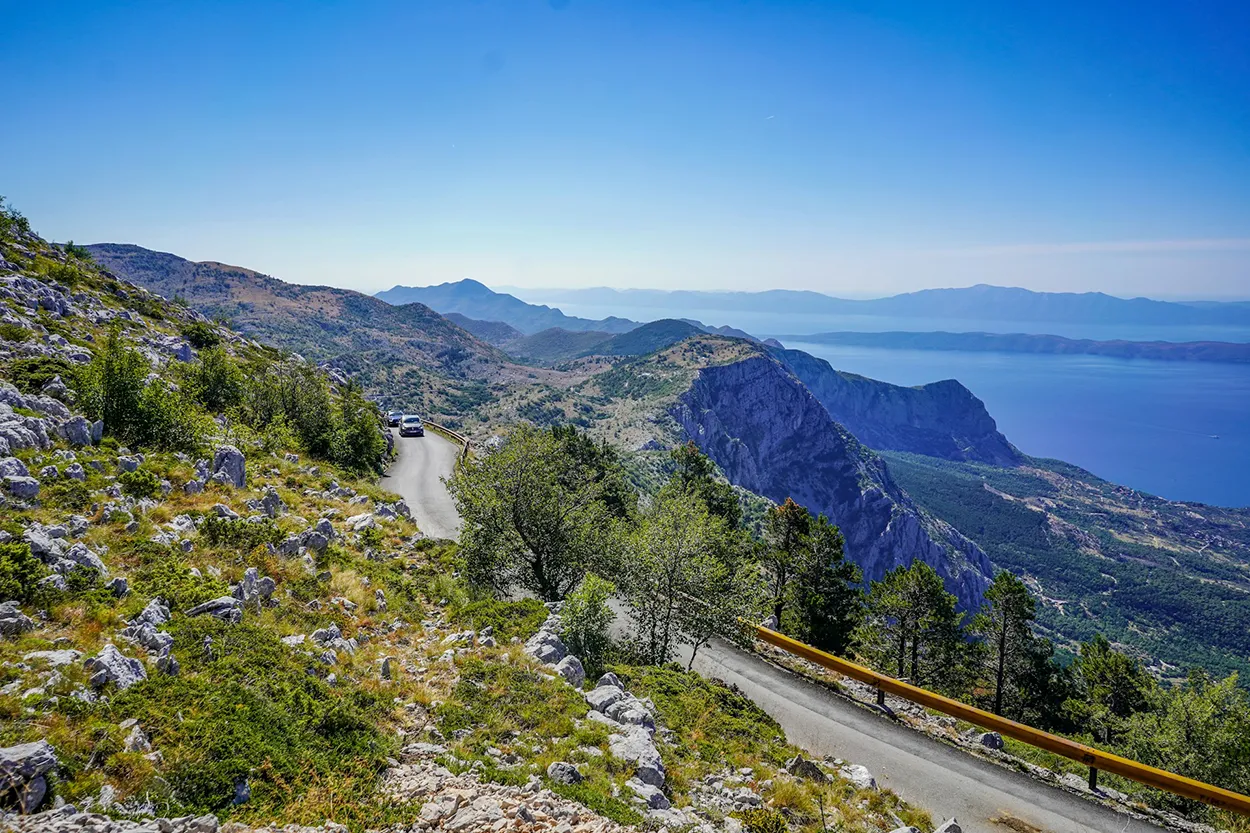
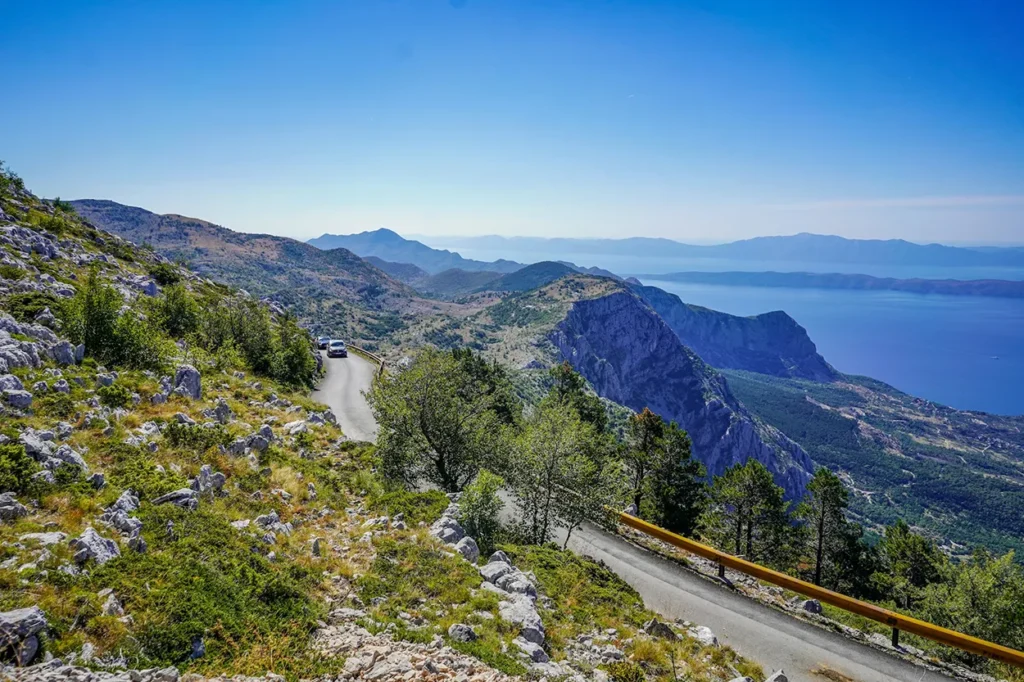
- Car Rentals – Ideal for road trips through Istria or Dalmatia’s coastal roads, but parking in old town centers can be tricky (and expensive).
- Trains – Limited routes, mostly useful for traveling inland between cities like Zagreb and Split.
Public transport is reliable, but if you want the freedom to chase hidden coves or detour into wine country, nothing beats a rental car. If you’re planning an island-hopping adventure, check the Croatia ferry timetables. It will make sure you get from A to island B without a hitch.
Travel Tips Croatia #4: Money & Budget Tips
One of my most important travel tips for Croatia? Learn the money basics before you go – it can save you both stress and a few euros.
- Currency – Croatia uses the Euro (€) since 2023, not the Croatian Kuna anymore.
- Cards vs. Cash – Credit and debit cards are widely accepted in hotels, restaurants, and shops, but always carry some cash for small markets, bakeries, or rural areas.
- Tipping – It’s not mandatory, but rounding up the bill or leaving 5–10% is always appreciated.
- ATMs – Stick to bank-owned ATMs (look for names like Zagrebačka banka, PBZ, OTP) to avoid excessive fees.
Beware of Euronet ATMs
These yellow-and-blue machines are notorious for hidden fees and inflated exchange rates. Here’s how the scam works: when you withdraw, they might push huge preset amounts in the local currency that actually convert to far more in euros – plus a steep markup.
How to avoid being overcharged:
- When the ATM prompts you to select an amount, choose “Other” instead of the preset options.
- Then select “Cash Withdrawal” and enter the exact amount you need.
- Compare the exchange rate shown with the current real rate (you can check on your phone).
Also, practice general ATM safety – use well-lit, bank-attached ATMs, shield your PIN, and be wary of anyone hovering nearby.
Travel Tips Croatia #5: Croatian Food You Must Try
Foodies, you’re in for a treat! One of my favourite travel tips for Croatia? Come hungry – this country is a culinary love story between the Mediterranean and the Balkans, sprinkled with Italian and Austrian influences.
- Peka – Meat, seafood, or vegetables slow-cooked under a heavy, bell-shaped lid covered with hot coals. It’s not just food, it’s theatre. Order it a day in advance – good things take time.
- Štrukli – A warm, cheesy pastry dish from the Zagreb region. Sometimes baked, sometimes boiled, always comforting.
- Black Risotto (Crni Rižot) – Squid, cuttlefish, and a splash of squid ink give this dish its deep black color and rich, briny flavor. Warning: it will stain your teeth temporarily, so maybe save it for a night in.
- Pag Cheese (Paški Sir) – A hard sheep’s cheese from the island of Pag, made extra special by the island’s salty winds and wild herbs. Pairs beautifully with local wine.
- Fritule – Bite-sized Croatian doughnuts dusted with powdered sugar. They’re impossible to eat “just one,” especially at Christmas markets.
Vegetarian? No worries!
Try blitva s krumpirom (Swiss chard with potatoes and olive oil), soparnik (garlic-studded chard pie from Dalmatia), or fresh pasta with truffles in Istria. Croatian produce is fresh, seasonal, and full of flavor, so you’ll never feel left out at the table.
Travel Tips Croatia #6: Essential Croatian Phrases
English is widely spoken in tourist areas, but dropping in a little Croatian will earn you instant smiles – and maybe even a free shot of rakija if you’re lucky. Locals love when visitors make the effort.
- Bok! (Hello!)
- Hvala! (Thank you!)
- Molim! (Please!)
- Koliko košta? (How much does it cost?)
- Gdje je plaža? (Where is the beach?)
Local Tip: Croatians tend to greet with a firm handshake or a kiss on both cheeks if they know you. But if you just master “Hvala,” you’re already golden.
Travel Tips Croatia #7: Safety & Common Scams
Croatia is one of the safest countries in Europe, but a little street smarts never hurt – especially in busy tourist hubs.
- Pickpockets – They love crowded spots like markets, festivals, and packed buses in cities like Split or Dubrovnik. I always keep my bag zipped and in front of me, and my phone in a pocket that buttons or zips shut.
- Overpriced Taxis – Skip the random guys at bus stations offering rides. Use official taxis or apps like Bolt – you’ll get a fair price and avoid “tourist specials” that magically triple the fare.
- Tourist Trap Menus – Restaurants on the main tourist streets can be 30–50% more expensive. Walk just two or three streets away and you’ll often find better food for less (and with more locals).
- “Helpful” Strangers at ATMs – If someone insists on helping you withdraw cash, politely decline. Also see my notes above on avoiding Euronet ATM scams – stick to bank-owned machines whenever possible.
Local Tip: Croatia’s coastal towns are generally safe to explore at night. In fact, summer evening strolls – šetnja – are a local tradition. Just keep your valuables secure and enjoy the relaxed atmosphere.
Travel Tips Croatia #8: Must-Visit Places in Croatia
If you only have a short time in Croatia, these spots deserve a spot at the top of your itinerary:
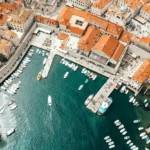
- Dubrovnik: The famous “Pearl of the Adriatic”, this walled city is as breathtaking in real life as it is on screen (yes, Game of Thrones fans, this is King’s Landing!). Walk the ancient walls at sunset for views you’ll never forget.
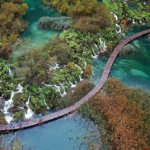
- Plitvice Lakes National Park – Imagine 16 cascading lakes connected by turquoise waterfalls – it’s basically nature showing off. Early morning is best to avoid the crowds and catch that magical mist.
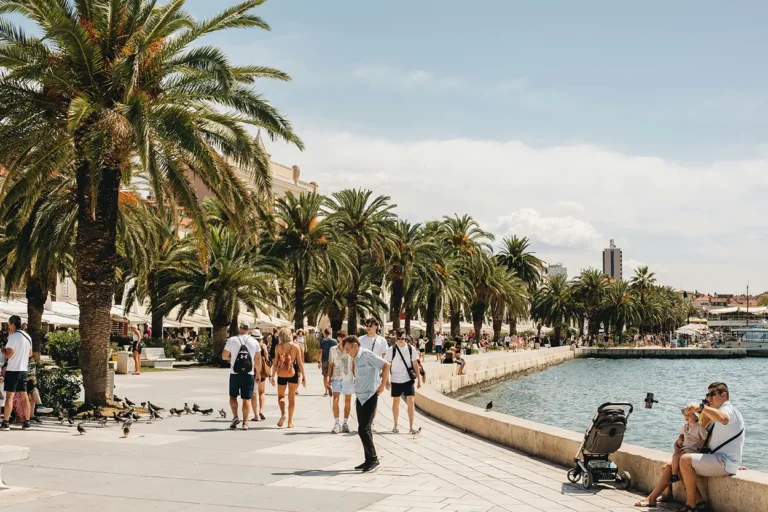
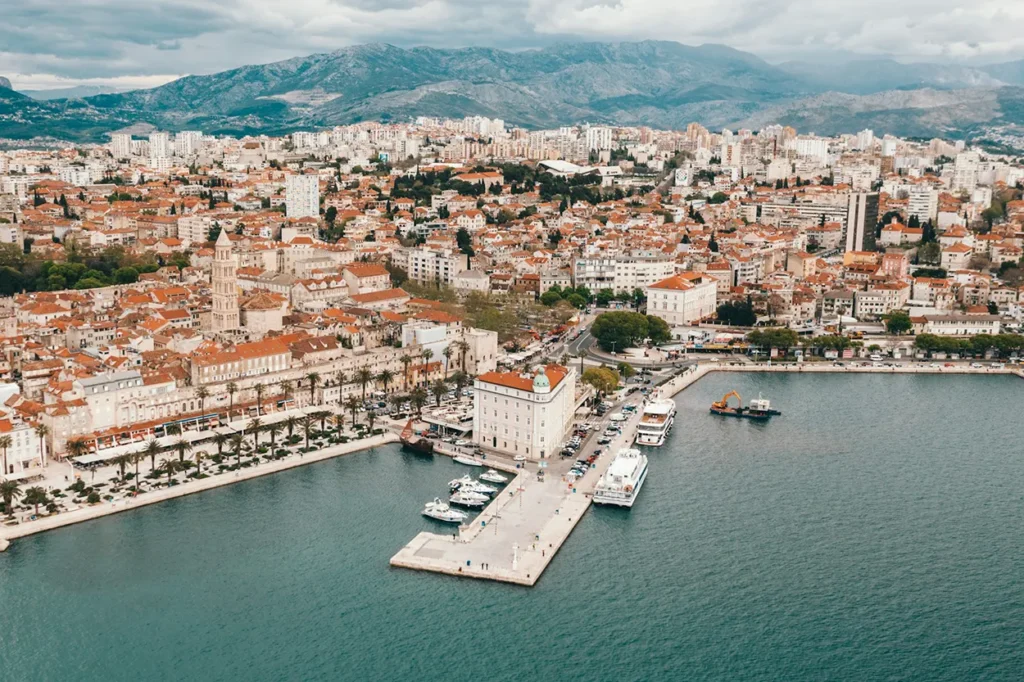
- Split: A lively city with Roman history and a vibrant nightlife. Explore Diocletian’s Palace, then grab a coffee on the Riva promenade and watch the world go by.
- Hvar – Known for its glamorous vibe, stunning beaches, and lavender fields. Bonus tip: Visit in late June for the lavender harvest – it smells as dreamy as it looks.
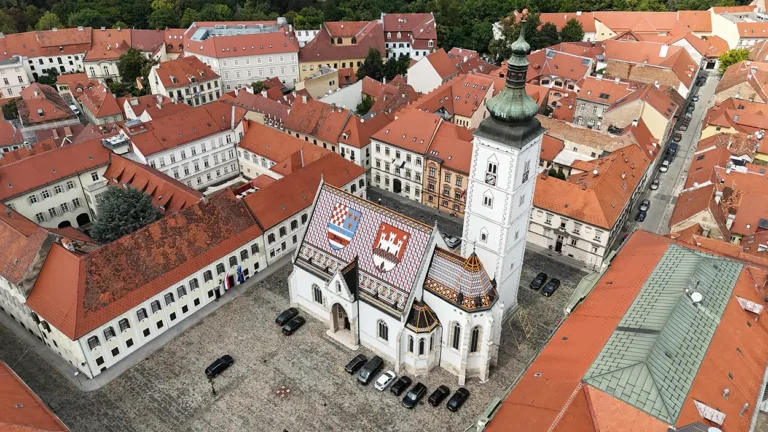
- Zagreb – The capital city often gets overlooked, but its mix of Austro-Hungarian architecture, quirky museums, and café culture make it a year-round gem.
Local Tip: If you have extra time, venture off the beaten path to islands like Vis or Mljet – they’re just as stunning but with fewer tourists.
Travel Tips Croatia #9: Internet & SIM Cards
Free Wi-Fi is everywhere in Croatia – cafés, hotels, even some beaches have it – but don’t rely on it if you need a stable connection. For reliable internet on the go, grab a local SIM card from T-Mobile, A1, or Telemach. They’re easy to find at airports, kiosks, and shopping centers, and prepaid plans are surprisingly affordable.
Local Tip: If you’re planning a road trip or island hopping, a local SIM is your best friend – coverage is excellent even on remote islands.
Travel Tips Croatia #10: Final Tip: Enjoy Every Moment!
Croatia has a way of sneaking into your heart and refusing to leave. Whether you’re floating in the warm Adriatic, getting blissfully lost in medieval alleyways, or sharing a plate of fresh seafood with new friends, every day here feels like a little gift.
My best advice? Don’t rush. Let the ferry schedule dictate your day, linger over coffee like a true local, and take that detour just because it looks interesting. You’ll find that some of the best memories come from the moments you didn’t plan.
Safe travels – and maybe I’ll see you in Croatia!
Some of the stunning photography featured in this article is sourced from the talented contributors on Unsplash – a platform for freely usable visuals that capture Croatia’s magic perfectly.